Awarapan 2 (2026): The Comeback That stands out while the narrative loses grip

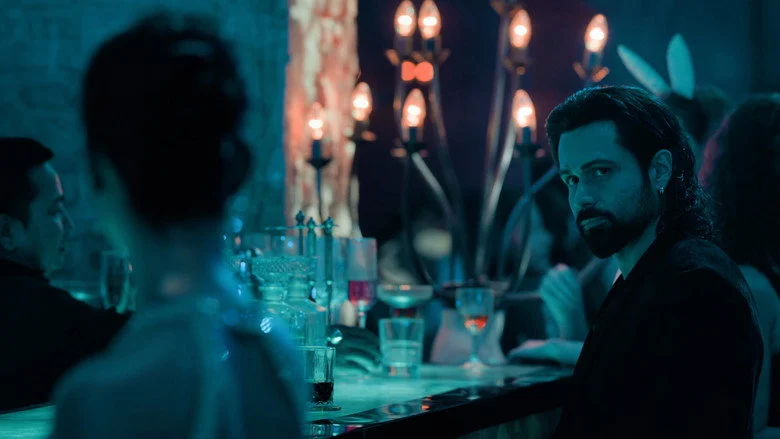
The teaser opens not with gunfire but with silence, Tibetan monks tending to Shivam Pandit’s broken body, a man who survived death and carries the weight of that survival in his eyes. It’s a deliberately hushed reintroduction for Emraan Hashmi’s most beloved character, and it tells you exactly what kind of sequel Nitin Kakkar is making: one that wants to earn its violence through suffering.
The Comeback That Carries the Film
Hashmi doesn’t just re-enter the frame; he re-owns it. The post-injury recovery framing gives his Shivam a wounded, restrained register that immediately separates this performance from the swagger of the 2007 original.
He moves like a man who has already died once, and that’s precisely what makes the revenge setup feel personal rather than procedural. This is the film’s single most valuable asset, a star performance that understands the difference between returning and returning with purpose.
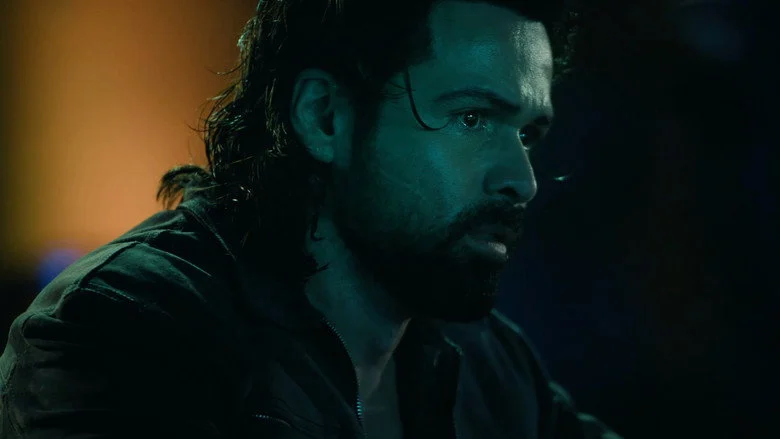
A Director Working With Controlled Reveals
Kakkar’s direction shows discipline in how it parcels out information. The trailer doesn’t dump the plot; it builds interest through strategic glimpses, a monk’s hands, a gun in Disha Patani’s grip, a shadowed Shabana Azmi.
The weakness is structural, though. The sequel leans on continuity from the first film, and viewers who haven’t seen Awarapan will find themselves scrambling for context. The screenplay, credited to Bilal Siddiqui, is linear to a fault, survival, revenge, confrontation, without the narrative texture that could have elevated the material beyond genre convention.

Action That Escalates Through Known Territory
The action engine here is revenge, pure and simple. The trailer foregrounds physical combat and gunplay as the primary language of escalation, and the monk-treatment opening establishes survival before any payoff arrives.
Disha Patani’s gun-handling and stunt sequences signal a tonal shift from the original’s more intimate violence. The film is clearly aiming for a broader, more commercially aggressive action canvas, and the staging reflects that ambition even in truncated trailer form.
The antagonist reveal, Shabana Azmi as Nafisa Nawaz, sharpens the conflict in a way that a generic male villain never could. It’s a casting decision that adds instant gravity to the confrontation, even if the trailer doesn’t yet show how that dynamic plays out in full.
The Supporting Cast Signals Intent
Patani’s role is action-oriented, and her physical performance, handling weapons, executing stunts, generates genuine attention. She’s not window dressing; she’s positioned as an active participant in the violence, which tells you the film wants its female characters to carry weight, not just romance.
Shabana Azmi as the antagonist is the film’s most intriguing gamble. Her presence lends prestige to what could have been a routine revenge thriller, and her scenes with Hashmi promise a clash of generations and registers. Salil Acharya and Suvinder Vicky fill out the ensemble, though their specific contributions remain undocumented at this stage, their casting suggests a grounded, actor-heavy supporting layer rather than star cameos.
MensXP’s 3.5/5 average rating reflects this split, appreciation for the casting and comeback, with reservations about how the whole will cohere. The opening day India net of ₹0.46 crore and worldwide gross of ₹0.54 crore, as reported by ABP Live citing Sacnilk, suggest a modest start that will depend entirely on word-of-mouth momentum.
For more Hindi action reviews, browse our curated coverage of the genre’s latest offerings.
The Release That Almost Didn’t Happen
The film’s journey to theatres was bumpy, production delays pushed the release from 3 April 2026 to 14 August 2026. That’s never a great sign, but it also means the team chose completion over rushing a half-finished product.
The delay doesn’t appear to have dulled audience interest. Fans have responded warmly to Hashmi’s comeback framing, and the action-heavy trailer has generated genuine buzz among those who value character continuity over standalone storytelling.
A Sequel Built on Faith
There’s something old-fashioned about Awarapan 2’s faith in its lead. It trusts that audiences want to see Shivam Pandit again, that the character’s survival means something beyond plot mechanics.
That trust is mostly earned. Hashmi’s return gives the film an emotional anchor that most action sequels lack, and the monk-opening suggests a visual poetry that could elevate the revenge narrative beyond routine bloodletting. Whether the full film sustains that promise remains to be seen, but the foundation is solid.
For audiences attached to Emraan Hashmi’s character continuity, this is essential viewing. For those seeking a self-contained story, it may feel like walking into a conversation halfway through.
If you’re drawn to the tender register Hashmi brings to wounded masculinity, you’ll find similar emotional beats in Vishwanath Sons review.
The Verdict
Go for Hashmi’s comeback, stay for Azmi’s antagonist turn, and adjust expectations for a sequel that knows exactly who it’s serving. Awarapan 2 is a fan-first action drama that delivers its core promise, Shivam Pandit is back, and he’s carrying scars, not just guns. I’d rate this a solid 3/5, a sequel that respects its predecessor without yet proving it can stand entirely on its own.
For another take on characters trapped by their past, Batwara 1947 verdict explores similar themes of reckoning and consequence.

Recommended for You

Hai Jawani Toh Ishq Hona Hai (2026): A Farce That Runs on Charm, Not Logic
In the opening courtroom scene, Jass sits across from his wife Baani as a judge listens to her complain that her husband…
Irumudi (2026): Ravi Teja s gives the film energy despite weak payoffs
The first glimpse of Ravi Teja’s character is a man at war with himself, an alcoholic with a violent past living peacefully…

Aali (2026): A Malayalam Romance That Trusts Its Quiet Moments
There is a particular stillness in Malayalam romantic dramas that Hollywood often rushes past, the pause before a confession, the weight of…