Dhurandhar: The Revenge (2026): Ranveer Singh’s Spy Saga Demands More Than It Delivers

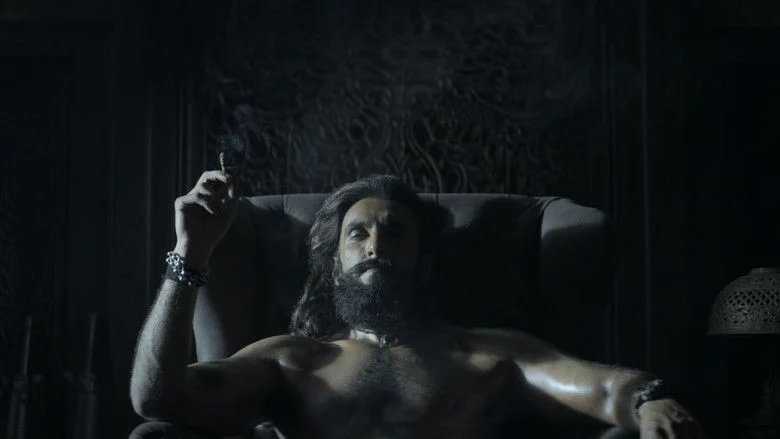
Hamza Ali Mazari is knee-deep in a Pakistani criminal outfit, wearing a dead gangster’s authority like borrowed armour, while Major Iqbal closes in from one side and rival gangs press from the other. At 235 minutes, Aditya Dhar’s sequel to Dhurandhar is a film that wants you to feel every inch of that suffocation, whether or not it always earns it.
Ranveer Singh Carries This Film on Sheer Physical Commitment
Playing Hamza Ali Mazari, a RAW operative embedded inside enemy territory, Ranveer Singh does what he always does, he throws himself at the role completely. The problem is that the script gives him very little interiority to work with beyond the mission itself.
There are moments where you sense the character could crack open into something genuinely disturbing. A man who takes over a dead gangster’s criminal empire in service of his country walks a razor’s edge between patriot and monster. Singh gets close to that edge. He rarely crosses it.
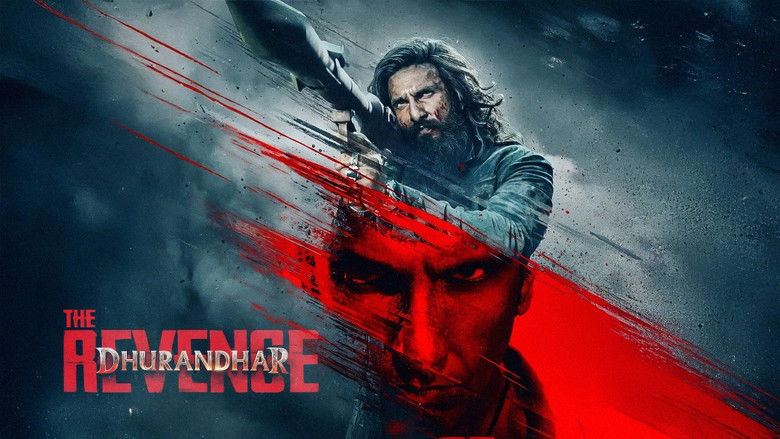
Aditya Dhar’s Direction Has Ambition, But the Screenplay Is Buried Under Its Own Weight
Dhar showed in Uri: The Surgical Strike that he understands how to build operational tension. That instinct is present here too. The covert-world mechanics, rival gangs, corrupt officials, political manipulators, are layered with genuine care.
But at 235 minutes, the film collapses under its own runtime. A tighter screenplay would have sharpened what is clearly a sprawling, ambitious story into something more precise. The third act, where Hamza concludes his mission and Bade Sahab finally faces reckoning, arrives feeling less like a payoff and more like a destination reached after an exhausting detour.
I found myself checking the clock somewhere in the second half, which, for an action thriller of this scale, is a damning admission.
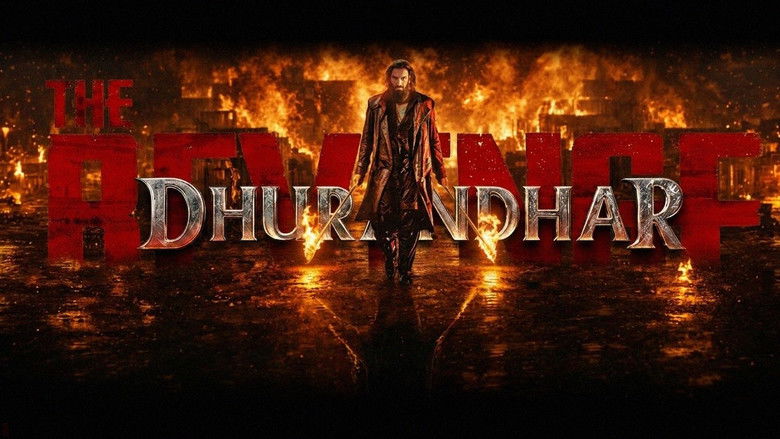
The Action Machinery Works, But the Geography Gets Murky
As an action thriller, Dhurandhar: The Revenge operates on a specific kind of tension, not explosive set-pieces for their own sake, but covert pressure building beneath every scene. When it works, the film hums with menace.
The central conflict, one man embedded inside criminal infrastructure, navigating betrayal from multiple directions simultaneously, is a structurally rich premise for action-thriller craft. The film understands this. Whether individual sequences are executed with enough spatial clarity is harder to assess without critical consensus, but the premise alone sustains considerable tension.
What the film lacks is a single moment of pure, undeniable kinetic release. The genre demands at least one sequence that audiences walk out describing in detail. Based on what the film sets up, that moment should arrive. Whether it lands with the weight it deserves is the lingering question.
If you enjoy this kind of Hindi action thriller analysis, Hindi Action reviews covering similar films are worth exploring for a broader perspective on the genre.
Major Iqbal Is the Film’s Sharpest Supporting Threat
The antagonist architecture in this film is actually its most interesting structural choice. Major Iqbal functions as the closing vice, a ruthless, methodical military figure pressing Hamza from an angle that the gangland threats cannot. He represents institutional danger, not just street-level violence.
Jameel Jamali, the political mentor returning from the first film, adds another dimension to the power dynamics. Having a political figure embedded in the narrative as both resource and liability gives the screenplay a layer of sophistication that pure action films rarely bother with.
The Propaganda Question Hangs Over the Film Like a Cloud
The film depicts a fictionalized covert Indian operation inside Pakistan, and it does not pretend otherwise. A vocal section of viewers has flagged the film as propaganda, a charge that is increasingly difficult to dismiss entirely when a film frames every Pakistani institution as either corrupt, criminal, or hostile.
This is not automatically a fatal flaw. Genre cinema has always operated within nationalist frameworks. But when a film blurs the line between a patriot and a monster, as this film explicitly claims to, and then consistently tips the scales toward righteous validation, the thematic complexity promised in the premise quietly evaporates.
The tension between Hamza’s methods and his mission is the film’s most interesting moral question. It deserved a more unflinching answer.
If morally layered protagonists interest you, the Aadu 3 review examines a very different kind of conflicted screen hero worth reading alongside this one.
Dhurandhar: The Revenge is a film for viewers who came invested in Hamza’s world from the first instalment and are willing to sit with a 235-minute runtime to see his mission through. Casual viewers will find the pacing punishing and the moral ambiguity undercooked. Watch it on the biggest screen available if you go, the scale demands it.
Dhurandhar: The Revenge is a film of genuine ambition that repeatedly outpaces its own execution, and despite Ranveer Singh’s committed performance holding the centre, Aditya Dhar’s overlong sequel earns a 2.5 out of 5, a frustrating near-miss from a filmmaker who clearly has more in him.
For another recent film where charm and ambition struggle to align, the Happy Raj verdict makes for an interesting companion read.

Recommended for You

Jeevan Bheema Yojana (2026): The Lookalike Reveal lands hard though the screenplay stays patchy
Picture this: a debt-ridden couple staring at a stranger who is the spitting image of the husband. The insurance scam idea lands…
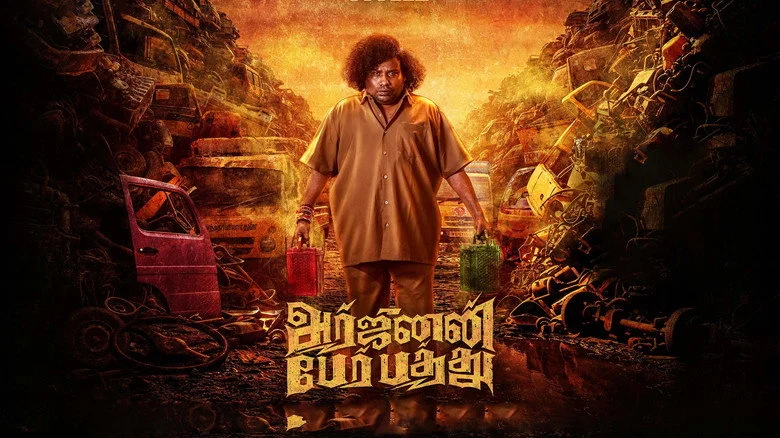
Arjunan Per Paththu (2026): Yogi Babu’s Earnest Shift Anchors A Familiar Crime Drama
The theft happens fast, but the wound stays open. Arjunan, a working man played by Yogi Babu in a strikingly serious register,…
Photographer (2026): Ashraf A’s Forest Thriller Is a Promise Waiting to Develop
The trailer’s most telling moment isn’t a jump scare, it’s Veera standing at the edge of Mathikettan Solai, told that twelve people…