Orijinal (2026): Sreenath Bhasi Anchors a Time-Loop Puzzle That Threatens to Outsmart Itself


Two Sreenath Bhasi’s occupy the same frame, and the film’s entire nervous system short-circuits into a staring contest with its own reflection.
Ramees builds a Malayalam sci-fi thriller on the premise of a man colliding with another version of himself across a fractured timeline, and the result is a film drunk on its own paradoxes.
When Two Versions of the Same Man Share a Frame, Identity Becomes a Contact Sport
The opening act plants its flag on a temporal anomaly rather than a corpse. Bhasi’s protagonist stumbles into a version of his life that has been quietly rewritten by a choice he cannot remember making.
The film’s smartest structural gamble is refusing to make the double a villain. The two men circle each other with the wariness of strangers who share a bloodstream, and the screenplay treats their bond as a friendship forged in the wreckage of causality.
Ramees leans on the butterfly effect as both engine and alibi. Small past actions ripple into competing presents, and the narrative keeps splintering just when you expect it to settle into a clean procedural groove.
The Middle Section Drowns in Its Own Cleverness Before Finding Air
Around the halfway mark, the film’s ambition starts to eat its own tail. Timelines multiply, memories contradict each other, and the audience is asked to hold three versions of the same conversation in their head simultaneously.
Bhasi carries this chaos with a performance built on micro-shifts rather than grand gestures. Watch the way his shoulders drop half an inch when he realises a memory he trusts belongs to the other man, that physical retreat does more narrative work than any exposition dump.
There is a sequence where the two Bhasi’s sit across a table, and the camera holds them in a two-shot that feels like a mirror that has learned to lie. The stillness between them is the film’s most honest suspense device.
Ramees, who also wrote the screenplay, shows the same instinct for emotional anchoring that elevated Sumo Didi, though here the sincerity is wrapped in speculative machinery rather than sports-drama uplift.
Sreenath Bhasi’s Double Act Is a Study in Controlled Fragmentation
Bhasi has always been an actor who works best in the gaps between dialogue, and this role weaponises that tendency. His two versions are distinguished not by wigs or posture but by the speed at which they blink and the temperature of their smiles.
The warmer version laughs a half-beat too early, as if he is performing happiness from memory. The colder one holds eye contact a fraction too long, and the effect is quietly unnerving.
This is a more interior performance than the coiled newsroom anxiety he brought to Udumbanchola Vision, and it confirms his range extends comfortably into high-concept territory.
Rajesh Madhavan and Binu Pappu populate the margins with the lived-in texture of men who have known the protagonist across multiple versions of his life. Their confusion is played straight, which makes the absurdity land harder.
The Time-Travel Rules Remain Frustratingly Opaque
Here is where the film stumbles. Ramees never commits to a legible set of temporal mechanics, and the screenplay treats its own logic as a mood rather than a contract.
When a character explains that the past has been altered, the film cuts to a visual flourish instead of clarifying what specifically changed. The audience is left to reverse-engineer causality from emotional cues, and that gets exhausting by the third act.
The cinematography favours shallow focus and sickly green-grey interiors, which sells the instability but also flattens the visual distinction between timelines. You often cannot tell which reality you are watching until a character tells you.
The humour helps. A running gag about a broken household appliance that exists in one timeline but not the other is the film’s wisest tonal choice, grounding the metaphysical chaos in domestic absurdity.
Yet the editing in the second half grows restless, cutting between timelines with a nervous energy that mistakes fragmentation for momentum. The film wants to feel like a puzzle box but sometimes feels like a box that has been shaken.
A Familiar Malayalam Obsession With Fractured Reality, Reconfigured
The film belongs to a recent wave of Malayalam thrillers that treat memory and perception as unreliable narrators. It shares DNA with the identity-splintering tensions of HALF, though it swaps domestic claustrophobia for speculative scale.
What distinguishes Orijinal is its refusal to make the double a monster. The antagonist is not a person but the instability itself, and that choice gives the film a philosophical seriousness that most time-travel thrillers avoid.
The emotional climax hinges on a question the film asks repeatedly without fully answering: if two versions of you remember different lives, which one gets to be real? The screenplay gestures toward an answer but pulls its punch in the final minutes.
The Box-Office Math for a High-Concept Malayalam Gamble
Producer and production-house details remain undisclosed in the run-up to release, which is itself a signal of how cautiously this film is being positioned in the market.
Malayalam cinema has built real commercial momentum on mid-budget high-concept thrillers, and a Bhasi-led time-travel film fits neatly into that pipeline. The risk is that the genre’s audience is narrow and the film’s opacity could cap word-of-mouth.
Bhasi’s theatrical leverage has grown steadily, but he is not yet a solo-opening-weekend draw. The film will need strong reviews and a clear hook to sustain beyond its first weekend in a crowded October slate.
Across contemporary Malayalam thrillers, the pattern is clear: audiences reward ambition when the emotional core is legible. Orijinal has the ambition and the performance, but its refusal to clarify its own rules may test that patience.
The Uncomfortable Resolution of a Man Who Cannot Choose Himself
The ending resists the tidy paradox-resolution that the genre usually demands. Ramees leaves his protagonist suspended between versions of his own life, and the final image is less a answer than a held breath.
That ambiguity is either the film’s greatest strength or its most frustrating evasion, depending on how much you trust the journey. I left the theatre admiring the performance more than the architecture.
Orijinal is a film that believes identity is a story we keep rewriting, and it has the courage to end before the rewriting is finished. Whether that courage reads as vision or indecision will depend entirely on the viewer’s tolerance for a puzzle that refuses to show you the box lid.

Recommended for You
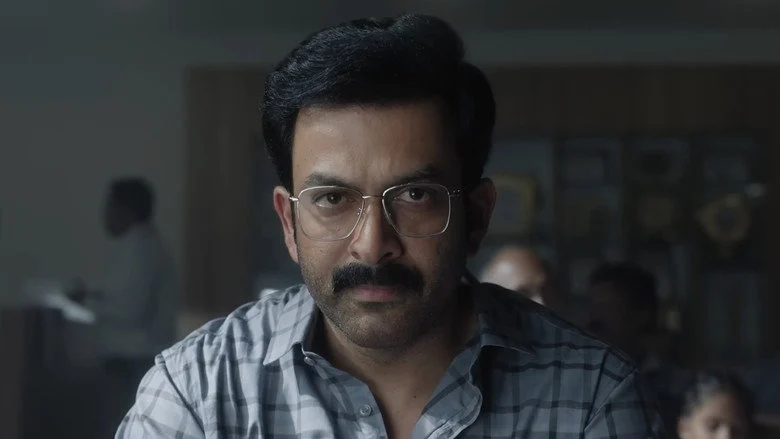
I, Nobody (2026): Prithviraj’s Controlled Thriller Loses Its Grip in the Final Reel
Rajeevan is just another government employee when he witnesses something he shouldn’t have. The bank robbery aftermath that follows turns his routine…
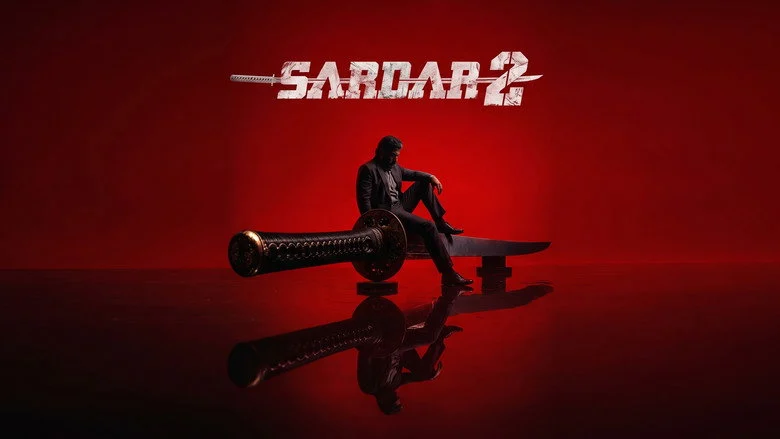
Sardar 2 (2026): Karthi’s Dual-Role Spy Thriller Doubles Down on Espionage Chaos
Karthi’s Agent Sardar Chandra Bose locks eyes with his own reflection, and the mirror cracks between two identities. That fracture is the…
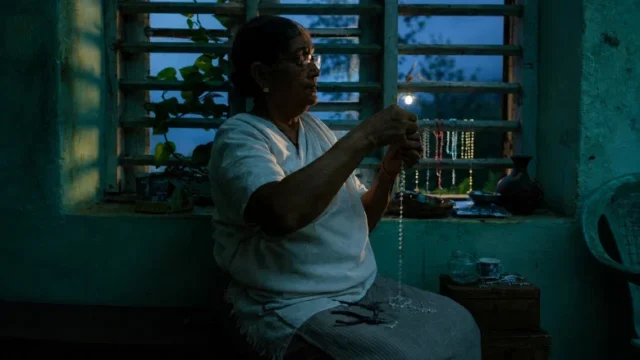
Chevittorma (2026): Dileesh Pothan Anchors a Deathbed Vigil That Refuses to Expire
The whisper arrives before the man does. In the opening stretch of Chevittorma, Pauly Valsan’s Theresia leans over a stranger’s bed in…