Last Man in Tower (2026): Bajpayee Holds the Line, Dutta Steals the Room


Masterji sits with a child’s arithmetic book, correcting sums while, somewhere in the same building, neighbours weigh a builder’s offer against decades of shared history. Manoj Bajpayee plays that refusal so mildly that the colony’s warmth and its menace arrive in the very same beat.
Manoj Bajpayee Turns Refusal Into a Daily Routine
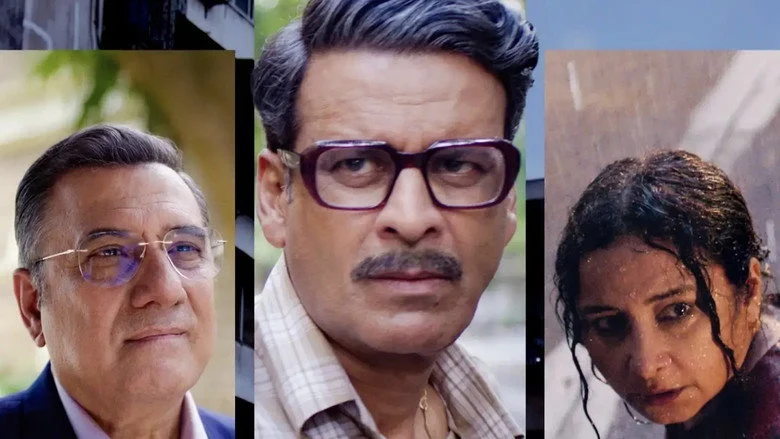
Bajpayee builds Masterji from routine, chalk dust, tea, the walk to the colony gate, so his refusal reads as habit, not heroism. In family confrontations he stays gentle, and that gentleness cuts harder than any shouting match. Indian Express called him “the unbending moral centre, ” and the phrase sticks without a single grand gesture.
Ben Rekhi Trims the Novel and Misplaces Its Bite
Rekhi keeps his camera inside the colony’s corridors, compressing Aravind Adiga’s sprawl into ninety-seven focused minutes. Sooni Taraporevala’s screenplay stays linear and legible, which is both its discipline and its limitation. The novel’s satire curdles into resignation, and I missed the acid more than I missed any trimmed subplot.
Boman Irani Builds a Villain Out of Reasonableness
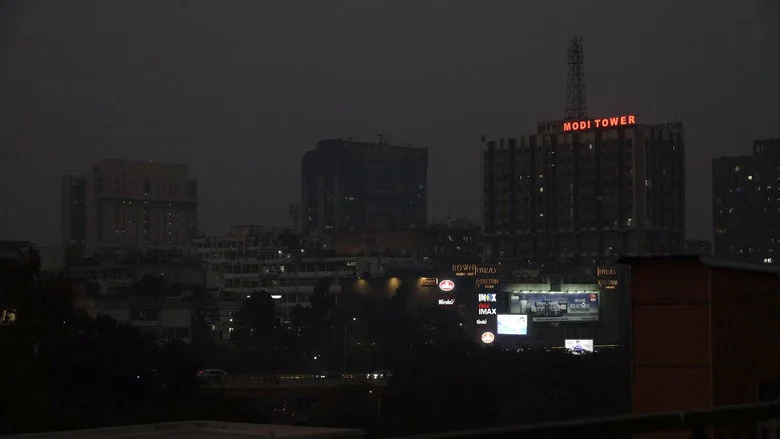
The film runs on neighbourly pressure rather than plot mechanics, and that is where it is strongest. Early scenes at Vishram Society, shared stairwells, borrowed chairs, gossip, establish a community worth mourning. Watching that fabric fray, one withheld courtesy at a time, is the film’s real suspense.
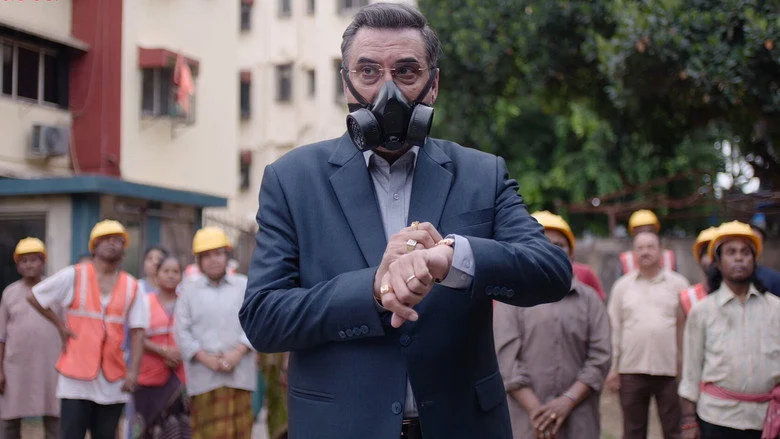
Boman Irani’s Dharmen Shah is the engine of that erosion, slick, patient, endlessly reasonable where Masterji is plain. The offer lands as generosity every time he repeats it, which is the horror of the man. Irani has moved past his earlier property sharks, and Rekhi trusts him to persuade rather than perform.
The escalation arrives as small cruelties, a cold shoulder, a withheld courtesy, a son’s impatience. Rekhi stages the residents’ turn as a slow social death rather than one showdown. By the time the colony rounds on its lone holdout, the claustrophobia has been earned honestly.
Films that measure a man by what he refuses tend to surface often in Hindi Drama reviews, where the quiet ones usually cut deepest.
Divya Dutta Gives the Film Its Pulse
Divya Dutta’s Mrs. Puri carries a sharp tongue and a mother’s arithmetic; Hollywood Reporter India said she gives the film its pulse. Her desperation over her son’s needs makes the neighbours’ cruelty legible rather than villainous. Sukant Goel’s pragmatic son argues for surrender, framing the generational fracture more sharply than any speech does.
Critics Split on the Thesis, Not on Bajpayee
No political backlash followed release, so the conversation settled on relevance instead. Audiences praised the leads and the recognisable Mumbai redevelopment scenario; others found the conflict too familiar to sting. Hindustan Times landed at 3.5/5, while Indian Express stopped at 2.5/5 and India Today settled between them.
See Last Man in Tower for Bajpayee and Dutta, not revelation; the holdout outlasted by his own neighbours has been told before, rarely this quietly. A regular theatre screen suits the intimacy, though a quiet evening on OTT does just as well. Expect a character study rather than a thriller.
If Masterji’s slow isolation held you, Haiwaan review builds the same trap with a sharper blade.
Last Man in Tower earns a 3/5, go for Bajpayee’s stillness and Dutta’s fire, but don’t expect the novel’s teeth.
Both films corner an ordinary man with an impossible choice, though Pradhama Dhrishtya Kuttakkar sharpens its Pradhama Dhrishtya verdict to a finer edge.
Ankit Jaiswal is the Chief Author, covering Indian cinema and OTT releases with honest, no-filler criticism. An SEO strategist by background, he brings a research-driven approach to film writing, cutting through hype to tell you exactly what's worth your time.