Ikka (2026): Sunny Deol Anchors stands out while the narrative loses grip

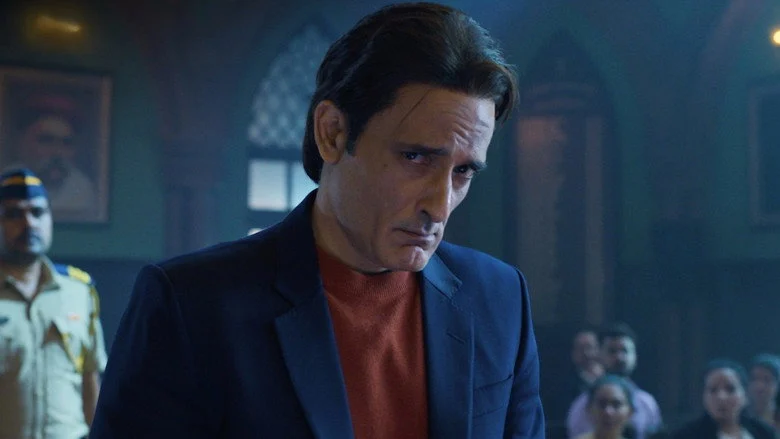
The courtroom goes silent as Sunny Deol’s Arjun Mehra, the man who never loses a case, locks eyes with Akshaye Khanna’s Shauryaman Gaur, the accused he swore he’d never defend. But his daughter’s cancer diagnosis has already shattered that promise, and what follows is a legal thriller that leans harder on star power than on procedural tension.
Sunny Deol Anchors the Film With Image, Not Character
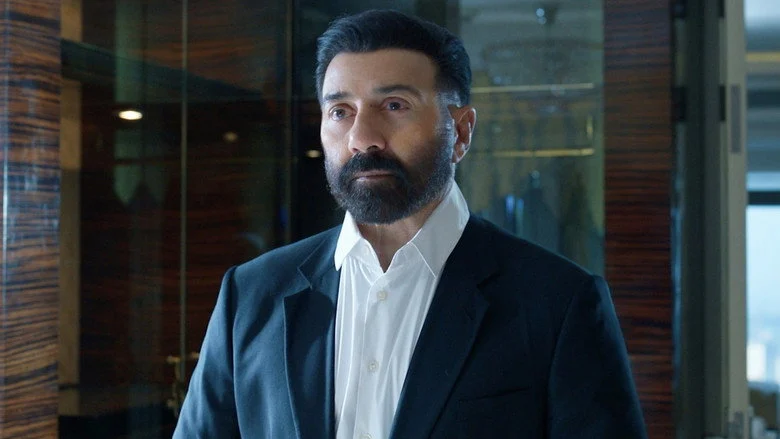
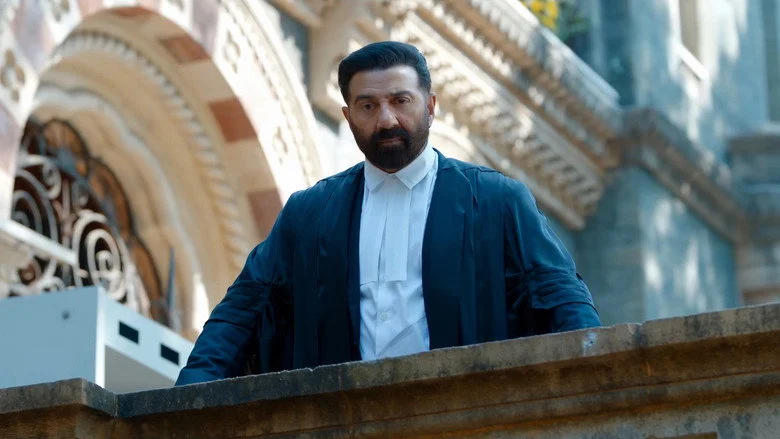
Deol plays Arjun as a man whose moral compass bends only when his daughter’s life depends on it. His initial refusal to take the case carries genuine weight, and the moment he learns about the bone marrow requirement lands with real dramatic force.
But critics noted that the film depends on his intense, morally driven star persona rather than subtle characterization. He shouts when he should seethe, and the courtroom confrontation with Khanna, the most consistently praised sequence, works precisely because both actors understand the value of a standoff.
Director Siddharth P. Malhotra Builds a Premise He Can’t Execute
The central hook is strong: a principled lawyer defending a man he believes is guilty to save his daughter. That moral friction should carry the film, but Malhotra’s execution lacks urgency and freshness.
The tonal balance between courtroom drama and domestic melodrama is uneven throughout. The first half takes too long to reach the core conflict, and the second half drags toward a climax that never builds convincing legal stakes.
The Genre Core: A Legal Thriller That Forgets the Law
Legal thrillers live or die on procedural complexity, and Ikka’s courtroom material is disappointingly thin. The exchanges between Arjun and Shauryaman’s legal team feel rehearsed, relying on volume instead of argumentation. The case against Shauryaman, centered on Soma Mittal’s attempted murder, never develops the investigative texture that would make the trial gripping.
The political pressure from Shishir Sharma’s Harshvardhan Gaur, the accused’s powerful father, raises the stakes beyond the trial itself. But even this power dynamic is handled with broad strokes, reducing the antagonist’s influence to generic menace rather than specific, calculated maneuvering.
The family-health crisis pushes the thriller into melodrama, and that’s where the film loses its grip. The daughter’s cancer is a plot device, not a lived reality, it exists solely to justify Arjun’s compromise, and the screenplay never earns the emotional weight it demands from the audience.
For more legal drama analysis, browse our Hindi Thriller reviews.
Akshaye Khanna’s Sneer and the Supporting Cast’s Limited Space
Khanna delivers exactly what the film needs, a politically connected accused man with an antagonistic edge. His scenes opposite Deol crackle with tension, and his presence elevates every courtroom exchange he inhabits.
Shishir Sharma’s Harshvardhan Gaur represents the political machinery behind the case, though the role is underwritten. Akansha Ranjan Kapoor’s Soma Mittal drives the crime setup, but she’s given little to do beyond being the victim. Dia Mirza and Tillotama Shome appear in supporting roles tied to the family-drama side, yet available coverage offers no scene-level detail on their contributions.
Melodrama Wins Over the ‘Dhai Kilo Ka Haath’
The critical consensus is blunt. Hindustan Times wrote that “melodrama wins over Sunny Deol’s ‘dhai kilo ka haath’, Akshaye Khanna’s sneer, ” while another review noted that “Sunny Deol shouts, Akshaye Khanna repeats Dhurandhar in a flat courtroom drama.” The average critic rating sits at 2.5 across publications including Cinema Express and Times of India.
Audience sentiment mirrors the critics, the Deol-Khanna face-off drew attention, and the high-concept moral dilemma interested some viewers, but the film was widely seen as too long for its material. The 140-minute runtime isn’t justified when the midsection drags and the emotional beats feel overly familiar.
The film’s central question, how far would you bend your principles to save your child, is compelling on paper. But the execution turns that question into a predictable, formulaic march toward a courtroom showdown that never quite delivers. I found myself wishing the screenplay had trusted its premise more and its melodrama less.
If you’re a fan of the Deol-Khanna face-off, this is a one-time watch at best. The courtroom confrontation is worth seeing once, but the surrounding 135 minutes feel like filler. Stream it at home if you must, preferably at double speed.
Ikka (2026) is a flat courtroom drama that coasts on star chemistry, I’d rate it 2 out of 5, and only for the Deol-Khanna showdown.
For a sharper take on moral compromise in legal settings, see Lakshmikanthan Kolai review.
If you prefer courtroom tension with tighter pacing, try Second Marriage verdict.

Recommended for You

Vishwanath and Sons (2026): Suriya’s Warm Family Drama Carried by Charm, Not Script
The film opens on Sanjay Vishwanath, a celebrated professional shooter whose trophy cabinet is fuller than his emotional life. He resists his…

Mister Middle Class (2026): Srikanth carries the stands out while the narrative loses grip
Srikanth is the reason this film is even being discussed. His emotional stretches land with a sincerity that the screenplay never earns,…

Sarvagunn Sampann (2026): Vaani Kapoor’s Identity Comedy Is a Curious Oddity
The teaser’s defining image is unmistakable: Vaani Kapoor split across two looks, one demure and one dangerously close to a public fantasy,…