Anbe Diana (2026): A Sweet Romance Held Up by Pari Elavazhagan’s Charm

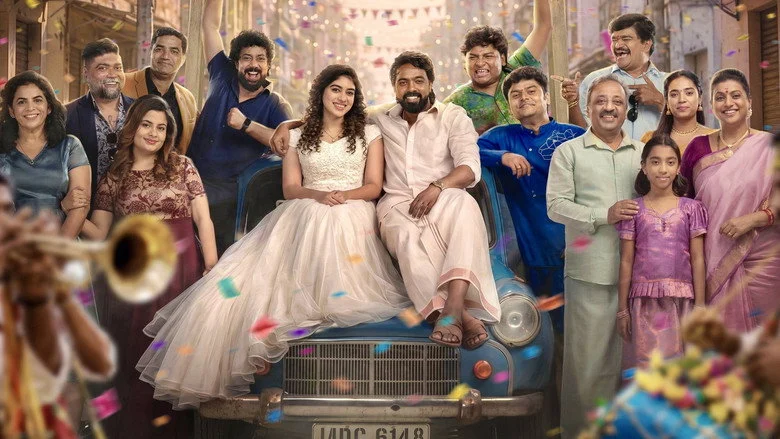
There is a particular kind of Tamil romance that believes love can bulldoze every social barrier, and Pari Elavazhagan’s directorial debut leans into that fairytale optimism with a disarming smile. The film opens on a happy-go-lucky young man stumbling into a relationship with an Anglo-Indian woman, and the initial flutter of their courtship feels refreshingly light before the weight of family and society begins to press down on the frame.
This is a watch for those who want their emotions served warm, predictable, and without a single challenging edge.
Pari Elavazhagan’s Screen Presence Carries the Film’s Early Momentum
The director doubles as the lead, and that dual role proves to be the film’s sharpest asset. His playful energy in the opening act gives the romance a buoyancy that the writing alone might not have earned.
He manages the shift from comic lightness to emotionally charged confrontation with a natural ease, making the relationship’s central conflict feel personal even when the scenario is familiar.
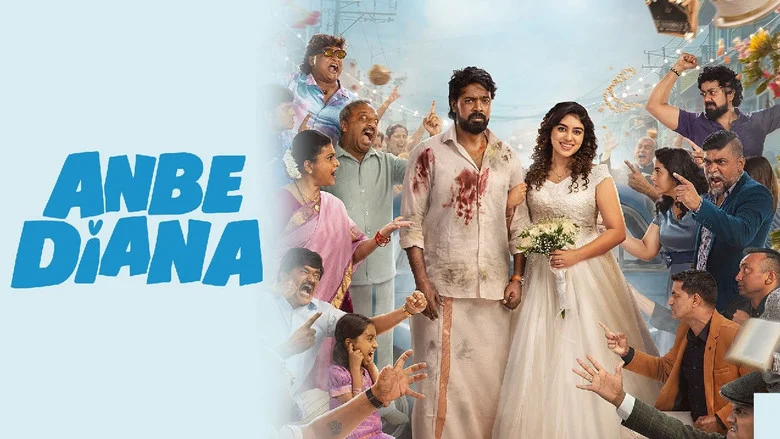
Ramya Ranganathan Anchors the Cultural Contrast with Restraint
Ramya Ranganathan’s role depends on a delicate mix of emotional restraint and chemistry, and she delivers on both counts. Her presence signals the film’s intent to explore a cross-cultural dynamic without ever letting the drama tip into melodrama.
She gives the romance its grounding, offering a quiet counterpoint to the lead’s more animated performance in the social-conflict scenes.
The Screenplay’s Familiar Beats Are Both a Strength and a Stumbling Block
The screenplay was widely praised for keeping the film engaging, and that is no small feat for a story this linear. The early romance setup between the leads is handled with enough charm to establish a genuine emotional stake, and the humor helps soften the interruptions caused by family friction.
But the second half leans on predictable escalation, and the social-conflict scenes fall back on stereotype-heavy writing that feels dated. The comedy-heavy confrontation sequences, meant to lighten the drama, occasionally undersell the very real tensions the film claims to address.
The resolution arrives exactly where you expect it, closing on a conciliatory note that prioritizes emotional closure over narrative surprise. It is accessible, but the accessibility comes at the cost of originality, leaving the film feeling like a well-executed version of a story Tamil cinema has told many times before.
Roja Selvamani and Chetan Add Weight to the Conflict Track
Roja Selvamani appears in a prominent supporting role, and her casting signals a family-drama texture that the film leans on heavily in its middle stretch. She contributes to the social resistance that tests the central couple, giving the friction a recognizable face.
Chetan works alongside her in the conflict and comic texture, while Parithabangal Gopi delivers the lighter moments that keep the drama from sinking under its own weight. Ismath Banu rounds out the supporting cast, adding to the ensemble’s collective effort even if the material rarely gives them more than functional beats to play.
For more from the world of Tamil cinema, browse our Tamil Drama reviews.
A Modest Opening and a Familiar Verdict
Cinema Express reported the film opened at ₹0.30 crore net in India with a worldwide gross of ₹0.34 crore, a modest start that reflects the film’s scale rather than its ambition. The same publication noted positive and mixed reviews, which feels accurate for a film that executes its genre obligations competently without ever risking creative failure.
The absence of any political or social controversy around the film is telling; it suggests a picture designed to comfort rather than provoke, to reassure rather than challenge.
I found myself wishing the film trusted its leads enough to abandon the formulaic conflict patterns in the second half, because the chemistry on screen deserved sharper material.
For those who love a straightforward emotional narrative with likable performances and humor that supports rather than undercuts the love story, this delivers exactly what it promises. For viewers seeking original plotting or a strong antagonist-driven drama, the predictable story progression will likely test your patience.
Watch it in a regular format with family, and you will find a warm, if unremarkable, evening of cinema.
Anbe Diana earns a modest 2.5 out of 5 for its engaging screenplay and charming leads, but the stereotype-heavy writing keeps it from rising above the familiar.
For a similar blend of charm and social friction, check out Arjunan Per review.
If you prefer action-heavy narratives with a different kind of anchor, Ikka verdict offers a contrasting experience.

Recommended for You
Photographer (2026): Ashraf A’s Forest Thriller Is a Promise Waiting to Develop
The trailer’s most telling moment isn’t a jump scare, it’s Veera standing at the edge of Mathikettan Solai, told that twelve people…
Ottam Thullal (2026): A Rural Family Entertainer Banking on Ensemble Comfort
There is a certain comfort in the familiar rhythm of a Malayalam rural family entertainer, the kind that promises a village square,…
Michael (2026): Fuqua’s Biographical Ambition Undercut by Uneven Craft
Jaafar Jackson steps into his uncle’s shoes as the film traces the rise of a child performer into a solo phenomenon, beginning…