G.D.N (2026): Madhavan Holds the lands hard though the screenplay stays patchy

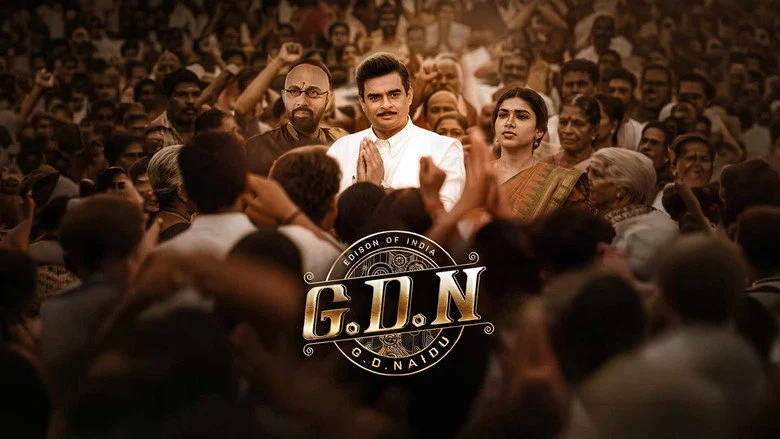
There is a moment early on when R. Madhavan, as the self-taught inventor G.D. Naidu, demonstrates a piece of his own engineering with the quiet certainty of a man who knows he is right. It is the film’s clearest image of genius meeting friction, and it is over before it lands.
Madhavan anchors the entire 147-minute runtime with consistent screen presence, especially in scenes where Naidu’s resolve is tested by institutional authority. He is strongest when the script lets him play defiance, but the screenplay keeps pulling him forward into the next milestone before the previous one has settled.
Krishnakumar Ramakumar’s Direction Prioritises Information Over Immersion
The director clearly intends to honour a historically important subject, and the period staging is polished throughout. Industrial settings and transport sequences reinforce the inventor-and-enterprise framework with genuine craft.
But the weakness is structural: too much material is compressed into limited runtime, and key emotional beats are underdeveloped. What remains is a film that informs more than it moves, and that trade-off hurts the drama.
The Highlight-Reel Problem: A Life Reduced to Milestones
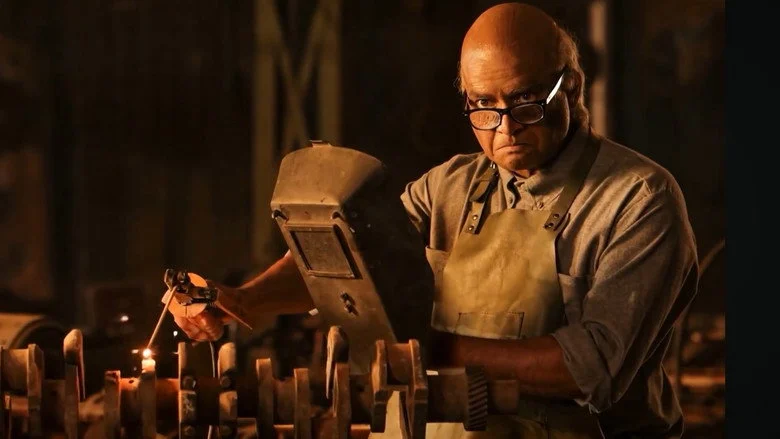
The narrative is mostly linear, tracking Naidu’s technical curiosity, his bus empire, and his repeated confrontations with powerful interests. The early invention sequences establish the biographical framing, but they feel like checkpoints rather than scenes with internal tension.
The confrontation scenes with authority figures carry the film’s dramatic weight, yet even these are trimmed to serve the pace. The transport and enterprise sequences show operational discipline, but the human cost of that discipline is left unexplored.
By the time the second half moves through major life events, the emotional buildup has already been sacrificed for coverage. Reviewers have described this as a “glossy highlight reel minus heart, ” and that critique lands hard because the subject deserved more room to breathe.
Jayaram and Karunakaran Add Texture the Lead Cannot Provide Alone
Jayaram is singled out positively in reviews, and his scenes add a warmth that the central narrative often lacks. His presence gives Naidu’s world a human dimension that the milestone-driven plot keeps flattening.
Karunakaran functions similarly, broadening the life-portrait format with a lighter touch. Sathyaraj provides weight in dramatic confrontations, anchoring the period setting with authority, while Priyamani and Dushara Vijayan support the emotional layer with limited but significant presence.
Vinay Rai’s role is more oppositional force than developed antagonist, he represents institutional resistance rather than a personal enemy, which fits the film’s thematic intent but limits his dramatic impact.
For more critical takes on Tamil cinema’s recent output, browse our Tamil Drama reviews.
A Modest Theatrical Run and a Legacy That Deserved Better
The box office numbers tell a sobering story: opening day India net was ₹0.53 crore, and the first week total reached ₹3.58 crore India net with ₹4.01 crore worldwide, per Times of India and Sacnilk figures. The film has been classified as a flop, and the modest collections reflect the muted theatrical momentum.
The audience complaints mirror the critical response, the story moves too quickly, the emotional impact is thin, and the supporting cast is underused. Madhavan gives a forgotten pioneer his due, but the film around him keeps undercutting that effort.
I left the theatre respecting the subject more than the film that honoured him.
If you want a biopic that actually lets its lead actor breathe, G.D.N is a frustrating watch, Madhavan powers an important story that deserved more room to breathe, but the compressed screenplay turns his life into a summary. Watch it for the performance and the history, not for the drama. A generous 2.5 out of 5.
For a sharper look at how biopics can misfire, see Oh Sukumari review.
And for a romance that lets its leads actually develop chemistry, Anbe Diana verdict shows what patient storytelling looks like.

Recommended for You
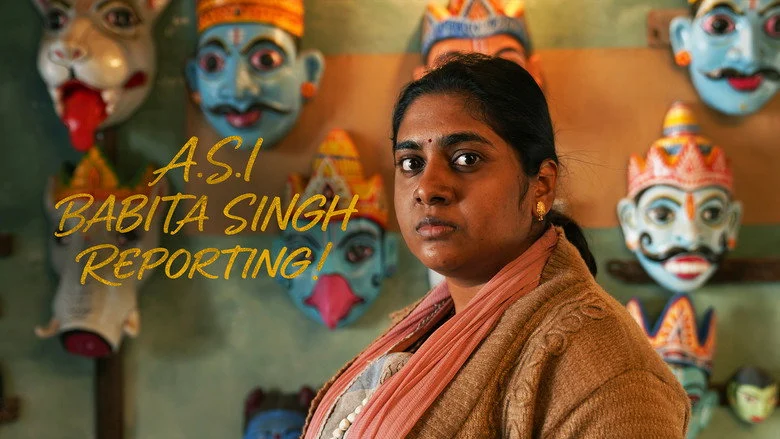
Babita Singh Reporting (2026): Nimisha Sajayan turns lifts key stretches, not the full runtime
The boating sequence arrives early, and it tells you everything about Babita Singh’s world before the murder even surfaces. A sister-in-law’s body-shaming…
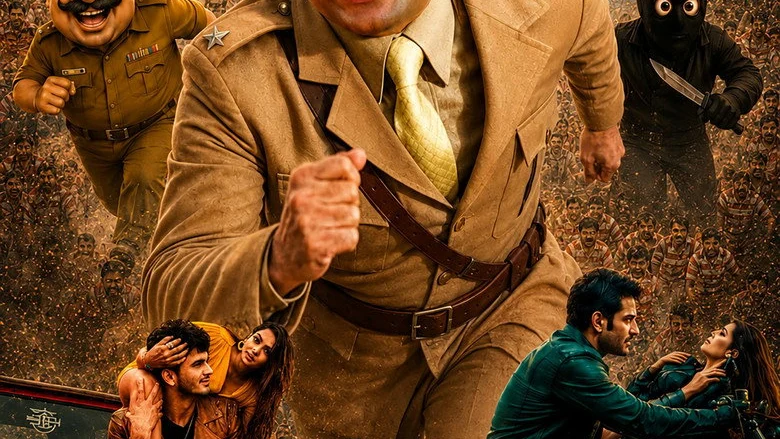
Hum Angrezon Ke Zamane Ke Jailor Hai (2026): Asrani’s Nostalgia Play Stumbles on Narrative Clarity
A murder mystery unfolds within the confines of family dispute and criminal escalation, with investigators Dev and Rana tasked to unravel layers…

Tadviruddha (2026): A Dense Kannada Mystery That Values Evidence Over Excitement
Vikram Ramaiah’s retired officer Anthony sits with a fading crime photograph, the kind of grainy 1990s evidence that demands patience. There is…