Sudesha (2026): A 35-Minute Portrait of Chipko Resistance That Stays Earnest, Uneven

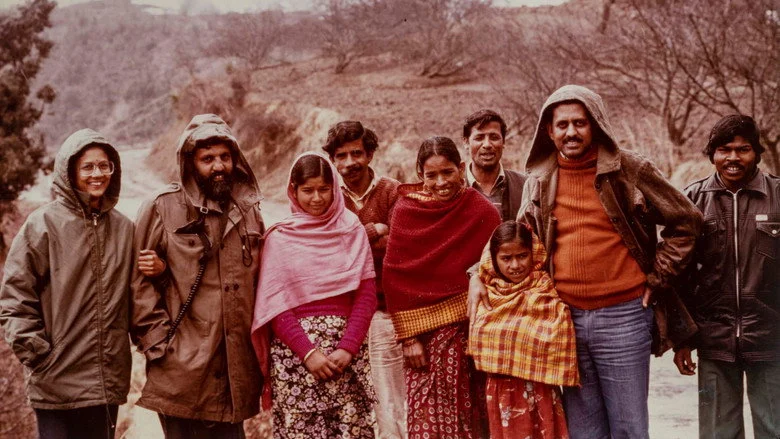
The village women carry firewood and water while the men argue about timber contracts, and Sudesha Devi moves between both worlds, a mother’s hands and an activist’s resolve. This is the quiet, lived texture of Sudesha, a 35-minute documentary from the Yugantar Film Collective that refuses to separate ecology from the daily grind of survival.
If you came for spectacle, this isn’t your evening; if you came for a focused, unsentimental look at what Chipko actually meant on the ground, this short film earns your attention.
Sudesha Devi: The Activist as a Whole Person, Not a Poster
The film’s greatest strength is its refusal to flatten its subject into a slogan. Sudesha Devi is shown organizing protests against timber traders in the lower Himalayas, but she is equally present in the domestic sphere, managing labor and family pressures that would fracture a lesser portrait.
Her imprisonment in the final stretch lands as a logical, bitter conclusion to her commitment, not a melodramatic crescendo, but the cost of resistance made visible. The film trusts her stillness as much as her anger.
Direction and Screenplay: Observational Gaze, Linear Spine
Deepa Dhanraj’s framing, credited alongside the collective, is observational and movement-centered, linking protest to lived conditions with a clarity that academic writing often misses. The linear structure, context, escalation, imprisonment, serves the short runtime well, keeping the focus tight on Sudesha’s journey.
The flaw is in the texture: the film gestures at the pressure of alcoholism and displacement in mountain life but never develops these threads beyond a passing mention. It leaves you wanting either more time or sharper editing in the middle section.
Genre Execution: Documentary Craft in Three Beats
As a documentary, Sudesha operates on a simple, effective premise: use a real subject and a real movement, and let the camera observe rather than instruct. The choice to frame environmental conflict through community labor, women carrying the physical weight of the village while organizing resistance, gives the film a materialist grounding that most eco-activism cinema lacks.
The scene of village women working while the forest conflict simmers nearby is the film’s quiet masterstroke, showing that protest is not a separate act but an extension of existing labor. It is a political point made through composition, not dialogue.
The imprisonment sequence closes the loop with a blunt, unglamorous finality. There is no triumphant release, only the reminder that resistance has a price, and the film respects that gravity by not softening it.
Supporting Cast: Community as Character
Bina and Narender appear as themselves, and their presence anchors the community perspective that surrounds Sudesha’s individual story. They are not developed characters in a conventional sense, but their self-appearances signal the film’s intent: this is a collective portrait, not a lone-hero narrative.
K. Lalita, Poornachandra Rao, and Rama Melkote round out the cast list, and while scene-level detail is thin, their inclusion reinforces the documentary’s commitment to real voices over performed ones. The casting choice is itself the argument, these are not actors, they are witnesses.
Audience Reception and Political Relevance
The film’s IMDb rating of 6.6/10 reflects a modest but appreciative audience, one that values the historical and political relevance of the Chipko movement over conventional entertainment metrics. Viewers have specifically praised the focus on a woman activist rather than a generic movement overview, which gives the film a distinctive angle in the crowded environmental documentary space.
There is no verifiable controversy attached to the film, which is perhaps its own kind of statement, this is not a film designed to provoke headlines but to document a truth that remains urgent. The class audience and documentary cinema fans will find it rewarding; those expecting star-driven drama should look elsewhere.
For a richer look at how regional cinema handles resistance and community, browse more Hindi Documentary reviews on our site.
Verdict: A Short Film That Knows Its Limits
Sudesha is not a definitive account of the Chipko movement, nor does it pretend to be, it is a focused, earnest portrait of one woman’s role in a larger fight. The absence of detailed scene-level criticism and a trackable aggregate score makes a definitive critical verdict difficult, but the film’s integrity is never in question.
I found myself wishing the middle section had the same narrative urgency as its opening and closing beats, but the overall impression is of a work that respects its subject too much to cheapen her story. Watch it on OTT or at a regular screening if you care about environmental history told from the ground up.
Sudesha is a sincere, if uneven, 35-minute document, worth your time for its subject and its restraint, a solid 3/5 for what it attempts and largely achieves.
For another take on resistance through a female lens, consider Bhaskara Bharanam review.
If you prefer your political cinema with a sharper narrative edge, Poovellaam Kettuppaar verdict offers a different kind of struggle.

Recommended for You
Ottam Thullal (2026): A Rural Family Entertainer Banking on Ensemble Comfort
There is a certain comfort in the familiar rhythm of a Malayalam rural family entertainer, the kind that promises a village square,…
Subedaar (2026): Anil Kapoor’s Veteran Drama Has Quiet, Stubborn Conviction
A retired Subedaar named Arjun Maurya builds a quiet civilian life, until a reckless act tears it open, forcing a man who…

Toxic: A Fairy Tale for Grown-ups (2026): The Opening Scene gives the film energy despite weak payoffs
The first glimpse of Raya is pure spectacle. Yash towers over the frame, the Goa underworld bending to his will as the…