Gajab Raat (2026): Manoj Bajpayee Anchors a One-Night Procedural That Trusts Its Star More Than Its Script

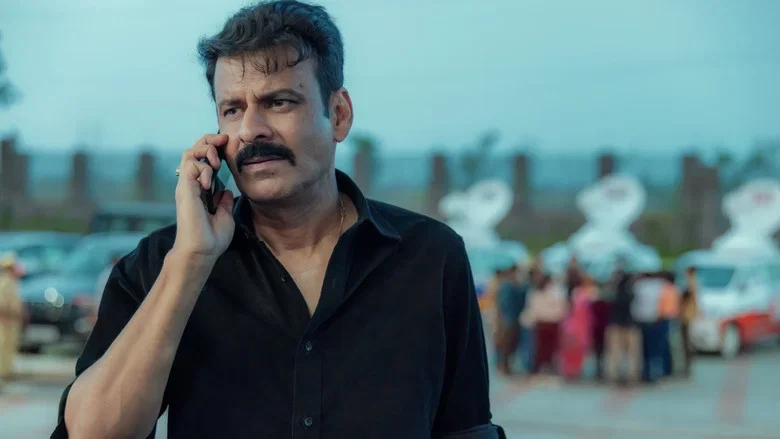
The woman leaves the moving car before the film has finished introducing itself. One body on a Delhi roadside, and a corrupt cop already calculating what her suffering might be worth.
One Night, One Victim, One Badge for Sale
Ajay Dixit is the kind of policeman who treats a night shift as an invoice waiting to be signed. When the injured woman lands on his crime scene, his first instinct is not rescue but arithmetic.
Ritesh Shah, directing his own material, compresses the entire investigation into a single unbroken night. That compression is the film’s sturdiest load-bearing wall: every bribe accepted or refused immediately reshapes the next hour.
The identity problem is the smartest turn in the screenplay. Witnesses keep handing Ajay different histories for the same broken woman, and the contradictions curdle into something far uglier than a simple assault.

When the Villain Is a Spreadsheet of Names
Here is where the film’s confidence starts to fray. The opposition is distributed across unnamed fixers, whispered phone calls, and envelopes slid across tables, but no single figure ever coheres into a face worth fearing.
Bribery as moral weather is a legitimate thriller device. Yet once the conspiracy climbs toward the higher levels the production keeps promising, the film loses its grip on who, precisely, is closing in on Ajay.
Shah’s direction handles the street-level geography with discipline, keeping the camera close to doorways, car windows, and the wet asphalt where the woman fell. The higher the conspiracy rises, the more the staging retreats into rooms where men speak in vague institutional murmurs.
Compare the clarity of intent in Udumbanchola Vision, which weaponizes its provincial setting with a specificity this film’s anonymous corridors lack. Here the threat is real but faceless, and facelessness eventually becomes inertia.
Bajpayee’s Quiet Arithmetic of a Man Doing the Math
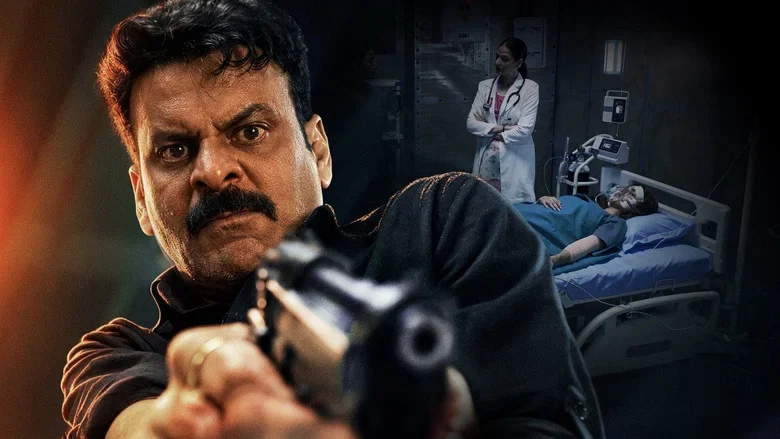
Manoj Bajpayee builds Ajay out of small, physical negotiations. Watch his hand hover over a bribe before it commits, or the way he keeps his voice flat while his jaw works through a decision he hasn’t yet admitted he’s making.
His best moments arrive in stillness: seated in a police jeep, staring at the woman’s blood on the seat upholstery, the calculation visibly collapsing into something he doesn’t have a word for. The performance refuses grand moral awakening.
That restraint carries an echo of the compromised decency he located in Last Man in Tower, where the same actor found a man negotiating his own price. The register is familiar, but the one-night clock gives it sharper teeth.
The ensemble around him is largely decorative. Divya Dutta registers with a single hard-eyed glance across an interrogation table that suggests a whole off-screen life; the rest of the supporting cast drift through procedural motions without leaving fingerprints.
The Camera That Trusts a Face More Than a Cut
Shah’s visual grammar is unshowy and occasionally too polite. The night is rendered in sodium streetlight and dashboard glow, and the film wisely lets Bajpayee’s face carry scenes the editing could have chopped into nervous fragments.
The score, however, keeps announcing tension the images have already earned. Several bribery exchanges would land harder in near-silence, and the film’s habit of underlining moral weight with strings betrays a lack of faith in its own staging.
The middle stretch sags precisely where the conspiracy widens. Identity contradictions that should tighten the screws instead start repeating themselves, and the film’s single-night engine idles while Ajay drives between people who tell him less than the last person did.
The screenplay’s debt to the moral-procedural tradition is obvious. It reaches for the same suffocating pressure that made Drishyam so effective, but that film’s tension came from a family’s desperate coherence; here the conspiracy is a fog rather than a wall.
Friday Film Works and the Streaming Thriller Economy
Neeraj Pandey’s Friday Film Works has built a recognizable brand on compressed-time crime stories, and this Netflix premiere fits that slate without stretching it. The commercial logic is transparent: star-driven suspense, moderate scale, no theatrical risk.
For Bajpayee, the film reinforces his standing as the most reliable anchor in the Hindi crime space, even as it asks less of him than his best work. His box-office leverage now sits comfortably in the streaming economy rather than the exhibition market.
The broader lesson for contemporary Hindi thrillers is that a strong premise and a great actor can carry an hour of suspense, but not a conspiracy that never shows its face. The remake-and-repackage pipeline keeps producing competent nights like this one; it rarely produces unforgettable ones.
The Compassion That Costs Everything and Explains Nothing
What lingers is not the reveal, the film keeps that close to its chest, but the moment Ajay chooses the woman over the envelope. Shah frames it as an act of reluctant decency, and Bajpayee plays it without a single note of triumph.
That choice is the film’s real argument: a compromised man doesn’t become good, he simply stops being able to look away. It is a modest thesis, delivered with a steady hand and an underpowered engine.
Gajab Raat is a respectable night’s work that never quite becomes a remarkable one. It trusts its star completely, and its star rewards that trust, but a thriller this dependent on the unknown needed to show us the face behind the curtain.

Recommended for You
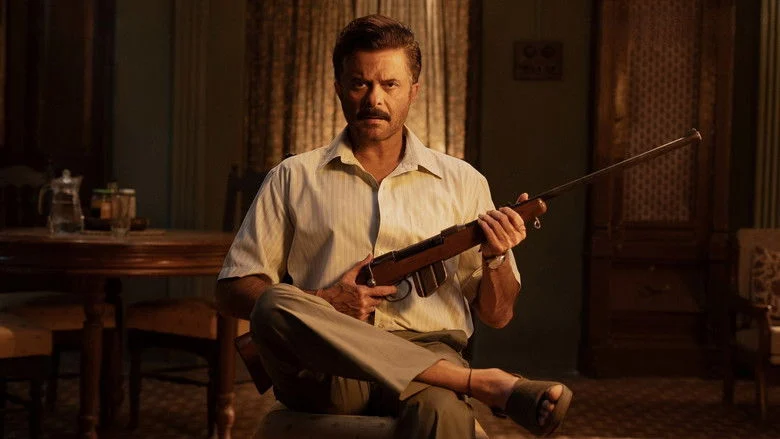
Subedaar (2026): Anil Kapoor’s Veteran Drama Has Quiet, Stubborn Conviction
A retired Subedaar named Arjun Maurya builds a quiet civilian life, until a reckless act tears it open, forcing a man who…

Sarvagunn Sampann (2026): Vaani Kapoor’s Identity Comedy Is a Curious Oddity
The teaser’s defining image is unmistakable: Vaani Kapoor split across two looks, one demure and one dangerously close to a public fantasy,…
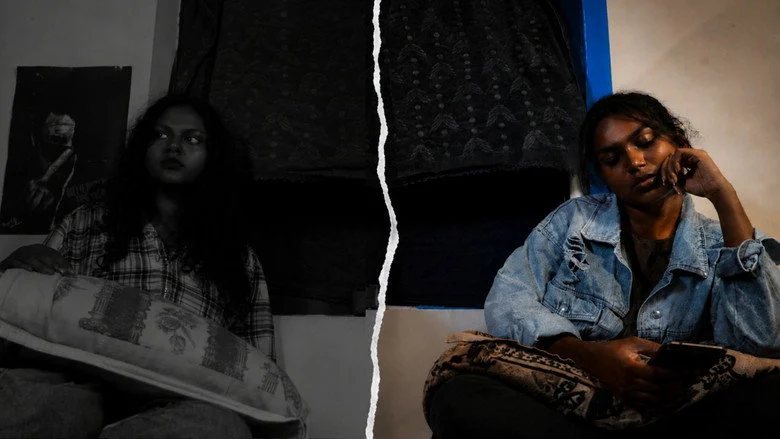
Ananya’s Call (2026): A 33-Minute Tamil Thriller That Trusts Its Premise
The phone rings inside a quiet home, and Ananya Iris answers into a nightmare, an impossible event that demands she move before…