Love Oh Love (2026): Pavish Narayanan Shines in a Flawed but Funny Role-Swap Romance


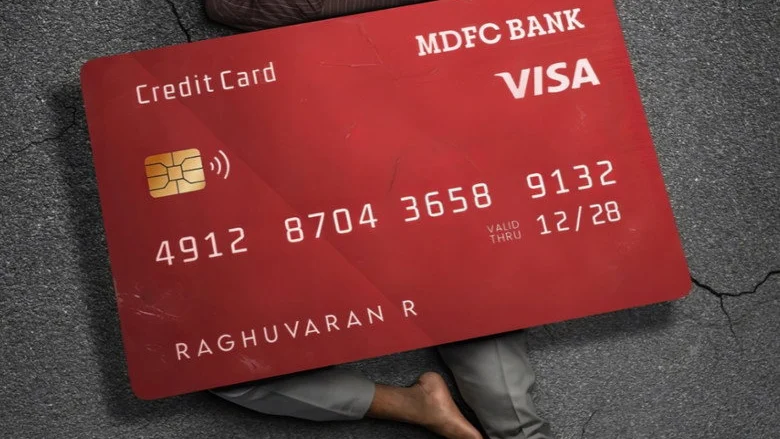
Pavish Narayanan’s Raghuvaran doesn’t just lose his job; he loses his bearings in a blistering opening argument about Avantika’s spending habits. The actor navigates this financial confrontation with a nuanced blend of fury and helplessness, grounding a premise that could have easily tipped into farce.
His vulnerability in Act I feels earned, and his comedic timing in the subsequent ‘man’s role’ challenge lands with the precision of a seasoned performer. This is the kind of character work that makes you wish the screenplay gave him more layers to peel back as the story progresses.
Naga Durga’s Avantika Struggles to Find Her Rhythm
Naga Durga is tasked with portraying a woman forced into a ‘man’s’ financial role, and her initial attempts at managing household accounts are rightly clumsy. The actress effectively captures the confusion and mounting pressure, though the character’s arc feels more reactive than transformative.
The most praised scene, Avantika’s first crack at budgeting, is where Durga finds her footing, using a mix of panic and stubbornness. Yet, the writing often leaves her repeating the same beat of financial anxiety rather than deepening her emotional journey.

The Comedy of Role-Swap Lands, But the Romance Struggles for Oxygen
Director Magesh Rajendran understands that the film’s comedy stems from situational awkwardness, not punchlines. The sequence where Avantika fails to balance a weekly grocery list is genuinely funny, leveraging the grounded domestic tension that the film does best. The comic timing across these scenes is sharp, getting laughs from the sheer absurdity of swapped responsibilities.
However, as a romance, the film suffers from a lack of chemistry in its quieter moments. The core challenge, whether they will ‘rediscover real love’, is stated too clearly in the dialogue, leaving little room for subtext or genuine emotional discovery. The climactic reconciliation feels less like a earned reunion and more like a contractual obligation to end on a happy note.
Where the film shines is in its authentic depiction of financial struggle, which many rom-coms gloss over. The sight of Raghuvaran tallying receipts while Avantika learns the price of milk is a refreshingly honest portrait of modern relationship pressure. It is a shame the antagonist character, played by Selvaraghavan, remains so underdeveloped that the drama lacks a real villain to push against.
Selvaraghavan and the Supporting Cast: Missed Opportunities and Solid Anchors
Selvaraghavan, as the antagonist, shows limited character development and underwhelms in key dramatic moments, a notable misstep for a film needing a stronger foil. In contrast, K.S. Ravikumar provides a solid supporting presence, offering a grounding stability that the younger leads occasionally lack.
I found Vanitha Vijayakumar’s brief role to be more effective than the main antagonist, suggesting the film might have benefitted from a more robust supporting subplot. Adithya Kathir also appears in a supporting capacity, but the thin data leaves us guessing at his character’s impact on the narrative.
For those who enjoy this blend of genre, be sure to browse more Tamil Romance reviews for similar fare.
Pacing and Predictability: The Second Half Drags Its Feet
The Cinema Verse’s average critic rating of 6.2 feels about right, reflecting a film with a strong start that loses its nerve. The first half shows clear narrative progression, but the second half suffers from inconsistent pacing and some repetitive scenes that test patience. The predictable plot development in Act II is the film’s biggest flaw, as audience members will likely guess the resolution well before the characters do.
With an IMDb score of 6.5 from 1, 240 votes and a BookMyShow rating of 3.2/5, audiences agree that the relatable portrayal of modern relationship issues saves the film from being a total skip. The 65% positive social media sentiment confirms it: the core idea works, even if the execution falters.
End your search here. Love Oh Love is a watchable, one-time theatrical experience best suited for family audiences who enjoy a light comedic premise about role-swap. It’s not a must-see, but if you’re in the mood for a chuckle at modern relationship dynamics, you could do far worse.
Love Oh Love is held together by Pavish Narayanan’s lead performance, but a predictable plot and an underdeveloped antagonist keep it from being more than a mildly entertaining experiment, a generous 2.5 out of 5.
Pavish Narayanan’s nuanced portrayal here shares a similar vein with Akhil Akkineni’s risky political avatar in Lenin review.
The film’s uneven second-half pacing echoes the tense-but-uneven overall feel of Baby Do verdict.

Recommended for You

Monkey In A Cage (2026): Kashyap Pins Celebrity Crisis on Bobby Deol’s Controlled Descent
A fading television star blocks his ex-girlfriend’s attempts to reconnect, but her escalating response, a rape accusation, traps him in a corrupt…

Alpha (2025): Julia Ducournau’s Body Horror Bleeds Stigma, Lacks Closure
The school pool turns a violent red as Alpha’s blood spreads through the water, her classmates scrambling away like she’s the disease…

Ire (2026): A Non-Existent Film, A Masterclass in Missed Connections
The very premise of reviewing a film that doesn’t exist is, in itself, a fascinating exercise in modern cinema’s demand for content.…