KD – The Devil (2026): Dhruva Sarja Anchors Prem’s Scale-Heavy Crime Drama

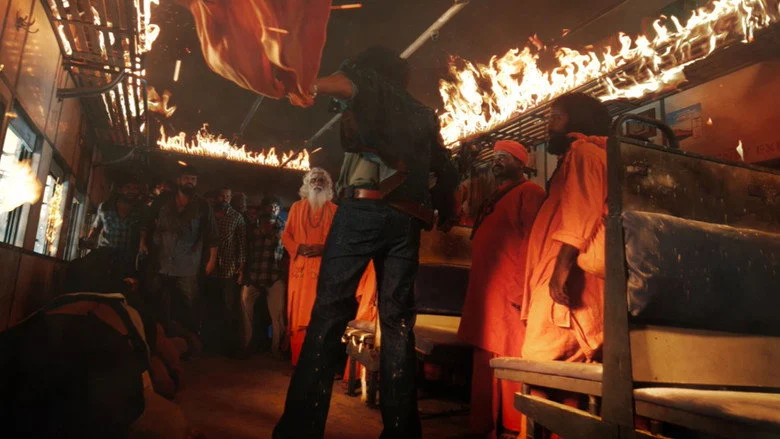
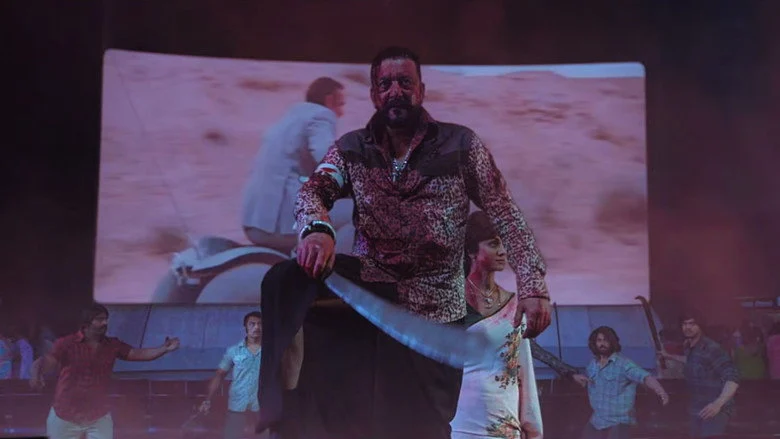
A naive young man named Kaali glides through early-1970s Bangalore as if untouched by the city’s underworld machinery, until circumstance and proximity to the fearsome don Deva dissolve that innocence in a single theatrical moment. Machete against umbrella in a crowded cinema becomes the visual punctuation for Kaali’s irreversible crossing into violence, and from that frame forward, Prem’s film commits entirely to escalation over restraint.
Dhruva Sarja Carrying Mass-Hero Beats Over Dramatic Substance
Dhruva Sarja plays Kaali not as a hardened gangster but as someone emotionally escalating into one, a choice that distinguishes his performance from the standard hero-turns-don template. His work in the mass-action sequences lands with more conviction than in quieter dramatic moments, suggesting the film demands physical presence rather than psychological nuance. The single-shot action sequence benefits most from his committed staging, where the camera commitment matches his energy.
Prem’s Direction Stages Scale But Loses Narrative Control
Director Prem builds the film’s scale across commercial action set pieces and underworld staging with genuine confidence, framing the brother-sentiment dynamic as mythic rather than mechanical. Yet that same ambition to inflate every moment into mass spectacle creates tonal noise where clarity should sit.
The second half particularly suffers from excess overwhelming narrative logic. Loud violence piles upon loud violence without the restraint that would let individual confrontations breathe or mean more.
His screenplay, co-written with Kraanthi Kumar, privileges destiny-framing and sentiment over tight structural discipline. Kaali’s journey reads as mythologically ordained rather than dramatically earned, which works intermittently but buckles under 145 minutes of constant intensity.
Kannada action cinema has richer craft traditions than what surfaces here. For more sophisticated approaches to mass-hero storytelling in the region, explore Kannada Action reviews across different eras and sensibilities.
Ramesh Aravind’s Moral Anchor and Kiccha Sudeep’s Effective Cameo
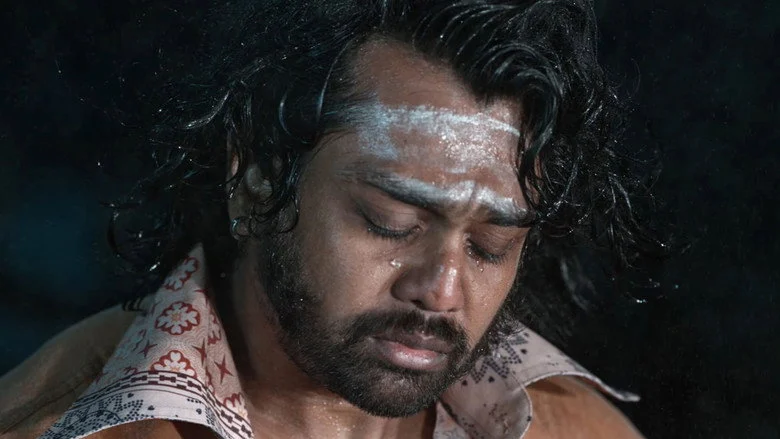
Ramesh Aravind as Dharma provides the disciplined brother figure whose moral weight serves as Kaali’s emotional counterweight throughout the escalation. His scenes ground the film’s sentiment in something human-scaled before violence overwhelms the frame.
Kiccha Sudeep’s cameo lands massy and effective precisely because it arrives briefly; his presence as a highlight rather than a full arc feels shrewdly deployed in a film that struggles with overstuffing every character moment.
Audience Appetite for Mass Staging Over Tight Narrative
The film scored a 6.4 on IMDb, reflecting the divide between those drawn to large-scale action staging and those frustrated by narrative messiness. Audiences praise the hero-villain energy and mythic brotherhood framing while consistently citing excessive runtime and tonal loudness as genuine friction points.
No political controversy surrounds the film; its conflict arrives entirely internal, a storytelling problem, not a cultural one. The violent excess and tonal inconsistency remain its central critical friction.
Final Verdict
KD: The Devil works best as a theatrical experience for viewers willing to surrender to mass-action spectacle over structural discipline. The single-shot sequence and theatre fight justify a theatrical viewing, but the film’s refusal to moderate its scale leaves it exhausting rather than exhilarating by the final hour.
Karuppu review demonstrates how Kannada cinema can build mythic weight without sacrificing narrative clarity.
KD: The Devil commits to spectacle over structure, and while Dhruva Sarja carries the mass moments with physicality, Prem’s tonal excess ultimately overwhelms the dramatic scaffolding, a competent action vehicle that confuses scale with control, rating itself a solid 2.5/5 for theatrical entertainment value alone.
Pati Patni verdict share similar structural imbalance across their runtime.

Recommended for You
Ranabaali (2026): Vijay Deverakonda’s Famine-Era Revolt Sings, Then Sags
Somewhere in the third hour of Ranabaali, a British commissioner asks a starving village what it wants, and the answer arrives not…
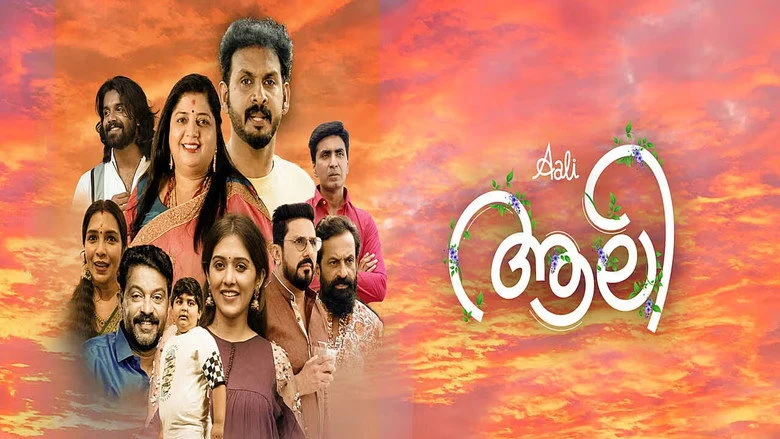
Aali (2026): A Malayalam Romance That Trusts Its Quiet Moments
There is a particular stillness in Malayalam romantic dramas that Hollywood often rushes past, the pause before a confession, the weight of…
Qaid (2026): Dhruv Jain s lands hard though the screenplay stays patchy
There is a moment in Qaid where Dhruv Jain simply sits still, and the camera refuses to blink. The film trusts that…