Romanchakam (2026): A breezy Telugu comedy that fumbles its own romance

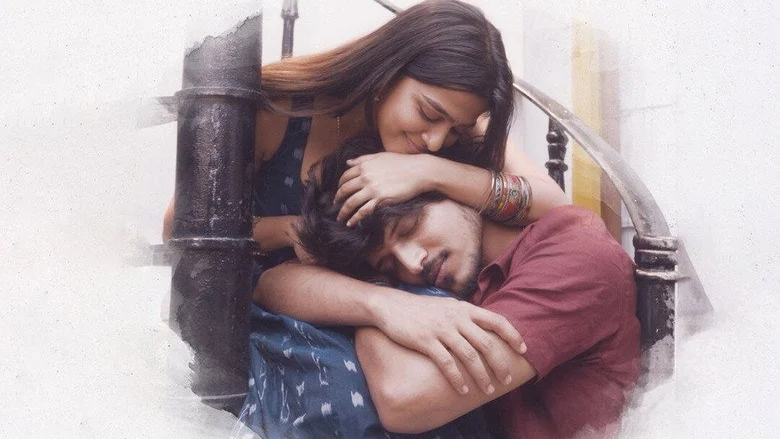
Anvesh (Sumanth Prabhas) is a Hyderabad engineering graduate launching a dating startup with his friends, and there’s a genuine spark in these early scenes as the app’s premise collides with youthful ambition. But by the time Mythili (Ananthika Sanilkumar) blocks his numbers and app accounts in a fit of misunderstanding, this romantic comedy has already traded its charm for a contrived chain of events that tests patience.
The friend gang delivers what the romance cannot
Venkatesh Kakumanu, Narendra Ravi, and Mani Aegurla form the comic backbone of Romanchakam, and their banter carries the film through its most entertaining stretches. The sequence where Anvesh and his friends scramble to recover from Mythili’s sudden silence is the film’s most consistently funny material, with the ensemble’s timing compensating for the script’s thinness.
These actors understand their function: keep the tone light, keep the energy up, and never let the audience dwell on how flimsy the central conflict actually is. They succeed admirably, even when the material around them loses focus.
Sumanth Prabhas fits the startup bro, not the romantic lead
Sumanth Prabhas is most effective in the startup-and-friends portions, where conversational timing matters more than emotional intensity. His Anvesh is a reactive figure, more comfortable cracking jokes with his crew than navigating the emotional demands of a real relationship.
That works fine when the film stays in buddy-comedy mode, but once the plot demands genuine romantic stakes, Prabhas struggles to sell the shift. The character is written as a man caught in circumstances rather than someone with internal complexity, and the performance mirrors that limitation.
Director Venu Gopal Reddy keeps things breezy, until he doesn’t
Venu Gopal Reddy’s direction maintains a youthful, contemporary register throughout, grounding the premise in recognizable Hyderabad startup spaces and urban youth settings. The first half moves with controlled energy, letting the comedy and the app-based setup breathe naturally without over-explaining the mechanics of modern dating.
The screenplay by Meeraqh is largely linear, built around startup setup, online romance, a travel-based misunderstanding, and its aftermath. But the Chennai hotel sequence, where Anvesh’s surprise plan for Mythili’s birthday curdles into confusion, feels forced and implausible, a device rather than a natural progression of character choices.
The tonal shift toward suspense and frustration in the latter portions is where Reddy loses his grip. The film wants to be a breezy entertainer and a tense relationship drama simultaneously, and those two impulses pull against each other until the narrative cohesion simply collapses.
Ananthika Sanilkumar and the mystery of Mythili
Ananthika Sanilkumar’s Mythili enters through the app, and the early messaging-and-calls courtship has a recognizable texture that contemporary audiences will find relatable. The birthday trip setup in Chennai gives her character room to complicate the story, but the writing doesn’t give Sanilkumar enough to build a believable emotional arc.
Upendra Limaye appears in an important supporting capacity, though the role lacks the specificity needed to register as a proper antagonist or pressure point. His casting signals the film’s ambition to add weight to its second half, but the execution never matches that intent.
What the critics saw in this uneven rom-com
The Indian Express called it “a messy love story that’s frustrating to watch, ” while Cinema Express countered that “the only thing the film does is entertain you from start to finish, with one comic scene after another.” 123telugu landed in between, declaring it “a watchable fare with fun taking the centre stage.” The aggregated average across Indian Express, 123telugu, Chitrajyothy, and BigTVLive sits at a modest 2.75 out of 5, which feels about right for a film that knows its strengths but refuses to address its weaknesses.
The romance is underdeveloped, the suspense element feels bolted on rather than integrated, and the second half loses the pacing discipline of the first. I found myself checking the runtime during the Chennai stretch, not because the scenes were poorly acted, but because the contrivance kept pulling me out of the story.
For viewers who want light Telugu comedy with a friend-group dynamic and a modern dating-app premise, there’s enough here to justify a casual watch. For those expecting a tightly written romance or a meaningful suspense payoff, Romanchakam will frustrate more than it entertains.
For more Telugu comedy reviews, explore our growing collection of regional cinema coverage.
If you enjoyed this take on youthful romance and friendship dynamics, you might find I m review an interesting comparison in how uneven pacing affects ensemble comedies.
Romanchakam earns a 2.5 out of 5, a watchable but forgettable entry that proves a strong friend gang can’t compensate for a weak romance.
For another look at how Telugu cinema handles relationship misunderstandings, check out Soulmates Oru verdict.

Recommended for You
Spider-Man: Brand New Day (2026): A Lonely Hero’s Evolution Teases Marvel’s Boldest Reset
The trailer opens on an empty apartment. Peter Parker pours cereal alone, the silence louder than any explosion. This is the most…
KD – The Devil (2026): Dhruva Sarja Anchors Prem’s Scale-Heavy Crime Drama
A naive young man named Kaali glides through early-1970s Bangalore as if untouched by the city’s underworld machinery, until circumstance and proximity…
Charitha Kamakshi (2026): A Quiet Telugu Romance That Earns Its Softness
A young bride steps into a filmmaker’s world, wide-eyed and adjusting, only to watch that world collapse when her husband’s moral compromises…