Haunted 3D: Ghosts of the Past (2026): Bhatt’s Haunted Mansion Retread Trades Originality for Spectacle

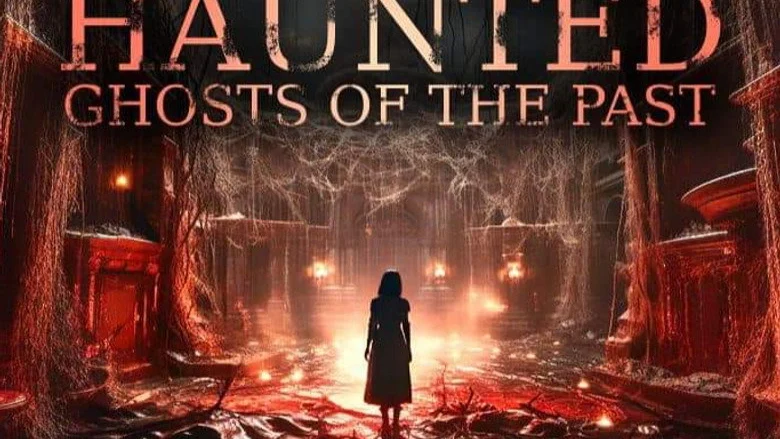
A man fleeing his past stumbles into a remote mountain mansion that harbors sinister secrets and malevolent spirits tied to former owners. Within those shadowed walls, trauma becomes tangible, and the house itself becomes a character, one far more compelling than the living inhabitants stumbling through its corridors. This is Vikram Bhatt’s domain: the supernatural domestic space where ghosts aren’t just effects but extensions of unresolved guilt.
Haunted 3D: Ghosts of the Past arrives as a spiritual successor to the 2011 original, positioning itself as a franchise revival rather than a standalone venture. That lineage matters because it signals intent: Bhatt is banking on the machinery of 3D immersion and familiar iconography to compensate for what the premise itself cannot sustain through two hours and twenty minutes.
Mahaakshay Chakraborty Carries a Thin Emotional Core
Mimoh inhabits the lead role with the gravity the material demands, anchoring what amounts to a haunted-house procedural, protagonist enters, protagonist suffers, protagonist confronts spectral truth. The casting signals Bhatt’s confidence in a mid-tier star capable of landing atmospheric vulnerability without commanding box-office insurance.

Vikram Bhatt Retreads Familiar Territory Without Reinvention
Direction here operates within comfortable parameters: Bhatt knows the supernatural-horror playbook intimately, and this film reads as competent execution of a formula rather than exploration of it. The choice to reshoot the entire project suggests production instability, yet the finished product betrays no visible urgency or creative desperation, which may be the larger problem. A supernatural thriller should carry either conviction or confession; this one offers neither.
3D Spectacle Obscures Narrative Thinness in the Mansion’s Interior Spaces
The film’s core setup, trapped protagonist, confined setting, spirits linked to past transgressions, remains reliable horror scaffolding. A couple or individual flees into a mansion expecting refuge and discovers the house itself is the predator. That spatial claustrophobia, when executed with precision, generates genuine dread.
The 3D presentation becomes the film’s primary leverage, promising immersive scares and dimensional dread rather than psychological sophistication. Spectral manifestations, sudden appearances, and architectural menace are engineered for the format. Yet spectacle without narrative weight becomes decoration rather than illumination.
What distinguishes effective supernatural horror from rote repetition is the emotional archaeology beneath the scares, why these ghosts haunt, what unfinished business binds them to the location, and how the protagonist’s personal history mirrors the house’s collective trauma. The research suggests Bhatt identifies this thematic territory, but execution remains unverified and, based on the production reshoot, possibly compromised.
Discover more analysis of Hindi horror cinema and thriller craft in our Hindi Horror reviews.
Supporting Cast Anchors Ensemble Believability Without Distinction
Chetna Pande, Gaurav Bajpai, Hemant Pandey, Shruti Prakash, and Praneet Bhat form an ensemble presence that suggests deliberate ensemble construction rather than token supporting roles. Their casting indicates Bhatt’s interest in ensemble dynamics, multiple perspectives on supernatural phenomena, competing theories of what haunts the space.
Production Reshoot Signals Creative Doubt Over Conceptual Strength
The decision to reshoot the entire film prior to its February 2026 release carries narrative weight: either the first assembly failed to meet creative vision, or marketplace pressure demanded reinvention. Either way, it signals lack of confidence in the initial execution. I cannot assess whether the reshoots resolved the underlying issues because post-production outcomes remain unverified, but the binary fact of reshoot alone suggests this film arrived at theatrical release through remedial work rather than confident assembly.
Haunted 3D: Ghosts of the Past is built for a specific audience, viewers primed by Bhatt’s earlier supernatural work and audiences seeking 3D immersion over narrative innovation. If you’re seeking a methodical haunted-house thriller with dimensional presentation and mid-tier star commitment, this delivers competent mechanics. If you’re hoping for something that reimagines the form or wrestles genuinely with its thematic implications, look elsewhere. The theatrical 3D format is where this material lands with maximum intended effect.
Bhatt’s haunted-mansion framework invites comparison to earlier supernatural ventures like Peddi review, where isolation and personal reckoning drive atmospheric stakes.
Haunted 3D: Ghosts of the Past is competent supernatural machinery that mistakes immersion for storytelling, a spectral 2.5/5 that will satisfy genre loyalists while leaving cinephiles searching for genuine fright.
Celebrity crisis and moral descent shape narrative texture much as they do in Monkey Cage verdict, where character decline mirrors supernatural entrapment.

Recommended for You

Hushar Pittalu (2026): A Predictable Youth Drama Undone by Its Own Boldness
Ansh Thorat plays Ravi as a Class 10 topper whose studious foundation crumbles the moment romance enters the frame. There is an…
Ananya’s Call (2026): A 33-Minute Tamil Thriller That Trusts Its Premise
The phone rings inside a quiet home, and Ananya Iris answers into a nightmare, an impossible event that demands she move before…
Kitti (2026): Ashok Kumar Balakrishnan Anchors a Confession Thriller That Forgets to Interrogate
The auto-rickshaw driver walks into the station and says he did it. Two bodies, he claims, are on him. No chase, no…