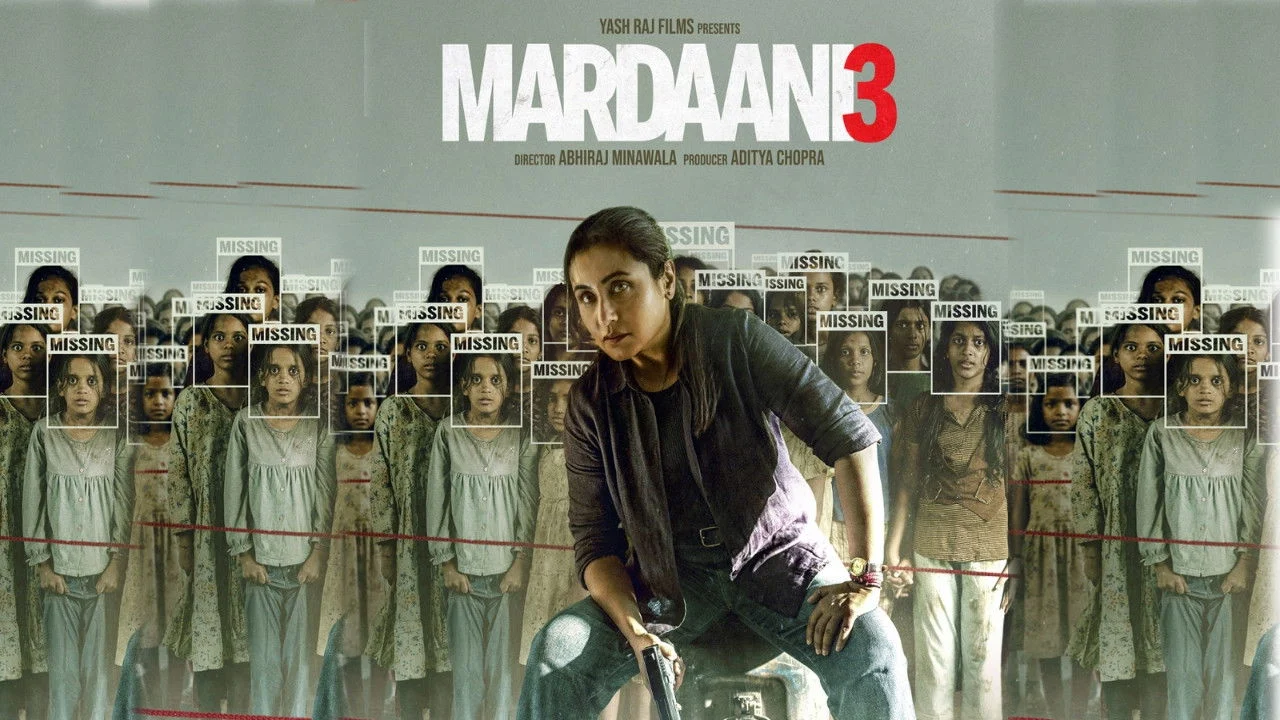
Mardaani 3 (2026): Rani Mukerji’s Darkest Role Yet Hits Different

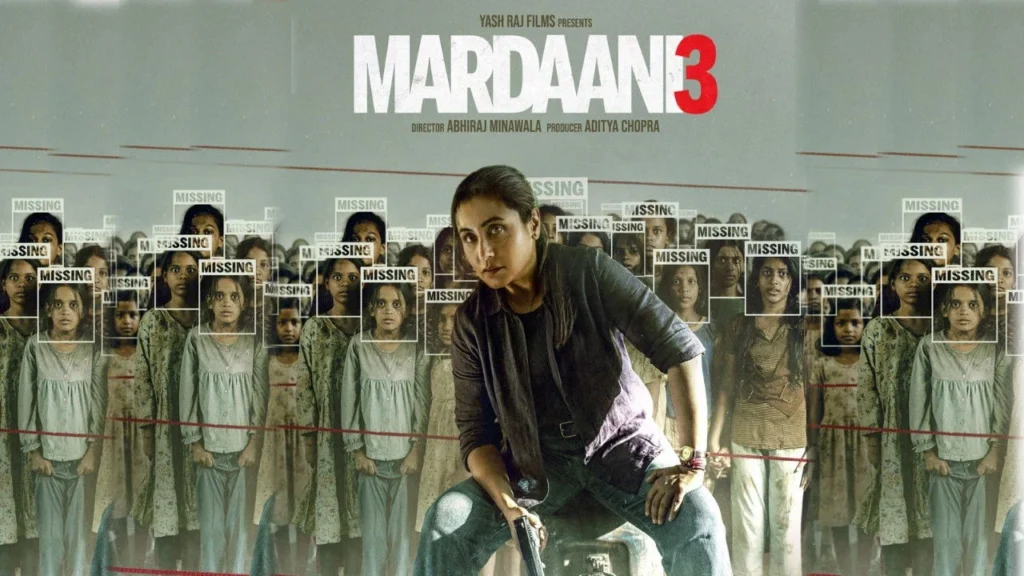
Rani Mukerji steps back into the shoes of SSP Shivani Shivaji Roy for the third time, and honestly, she brings her A-game. This Yash Raj Films production marks Abhiraj Minawala’s debut as director, which is a bold move considering the franchise’s legacy. The cast includes Mallika Prasad as the primary threat and Janki Bodiwala in an important supporting role. The film opened in theaters on January 30, 2026.
What sets this apart from typical action thrillers is its willingness to go dark. The screenplay team – Aayush Gupta, Deepak Kingrani, and Baljeet Singh Marwah – haven’t shied away from uncomfortable truths. At 129 minutes, the film takes its time building a world where crime thrives on society’s blind spots.
A Case That Exposes Systemic Rot
The plot kicks off when kidnappers grab two children from Bulandshahr. One happens to be a diplomat’s daughter, the other is just a domestic worker’s kid. Both end up with Amma, who controls a sprawling trafficking operation. When Shivani digs deeper, she finds a pattern everyone missed – or chose to ignore.
Nearly a hundred girls have disappeared over three months. Nobody raised hell until someone important lost their child. This is where the film gets uncomfortable in the right way. The story doesn’t just follow one rescue mission. It forces you to confront how our system values some lives over others.
Things get messier when the original kidnappers try to double-cross Amma for reward money. Multiple criminal groups, political pressure, and Shivani caught in between – the setup works because it mirrors real chaos rather than neat movie logic. I found myself invested in how she’d navigate these competing interests while staying true to her principles.
Performances That Feel Lived-In
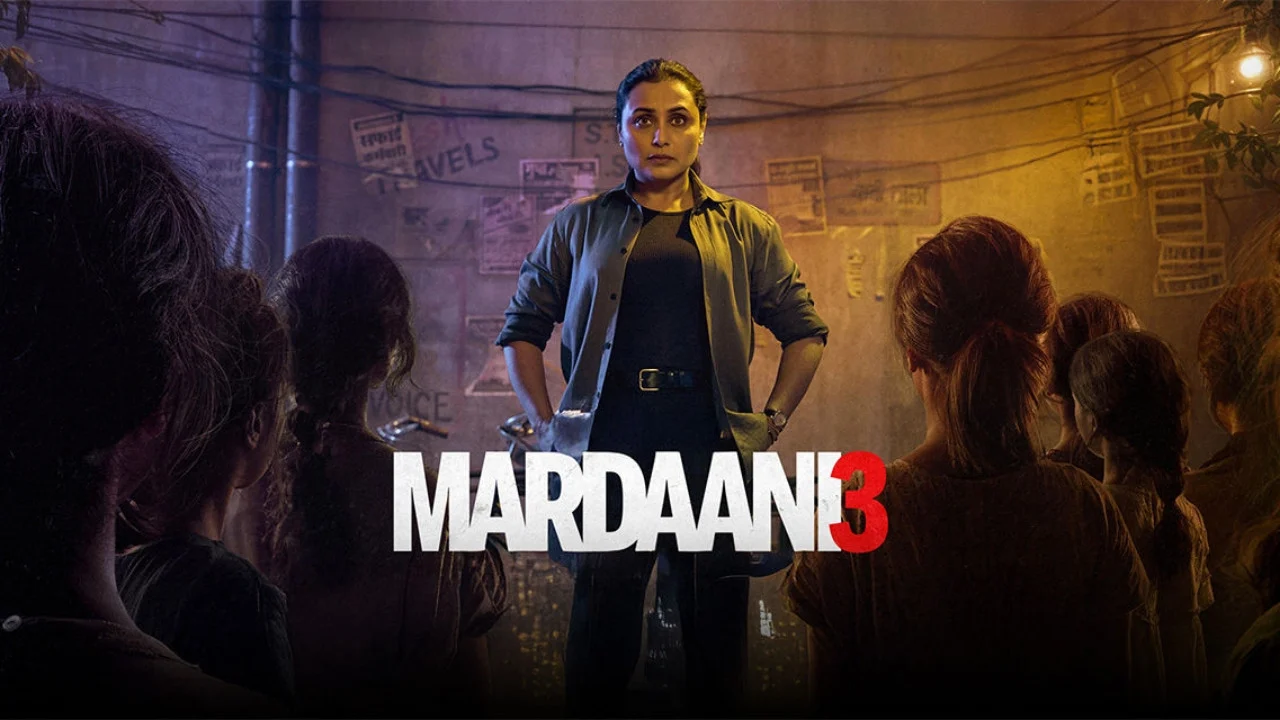
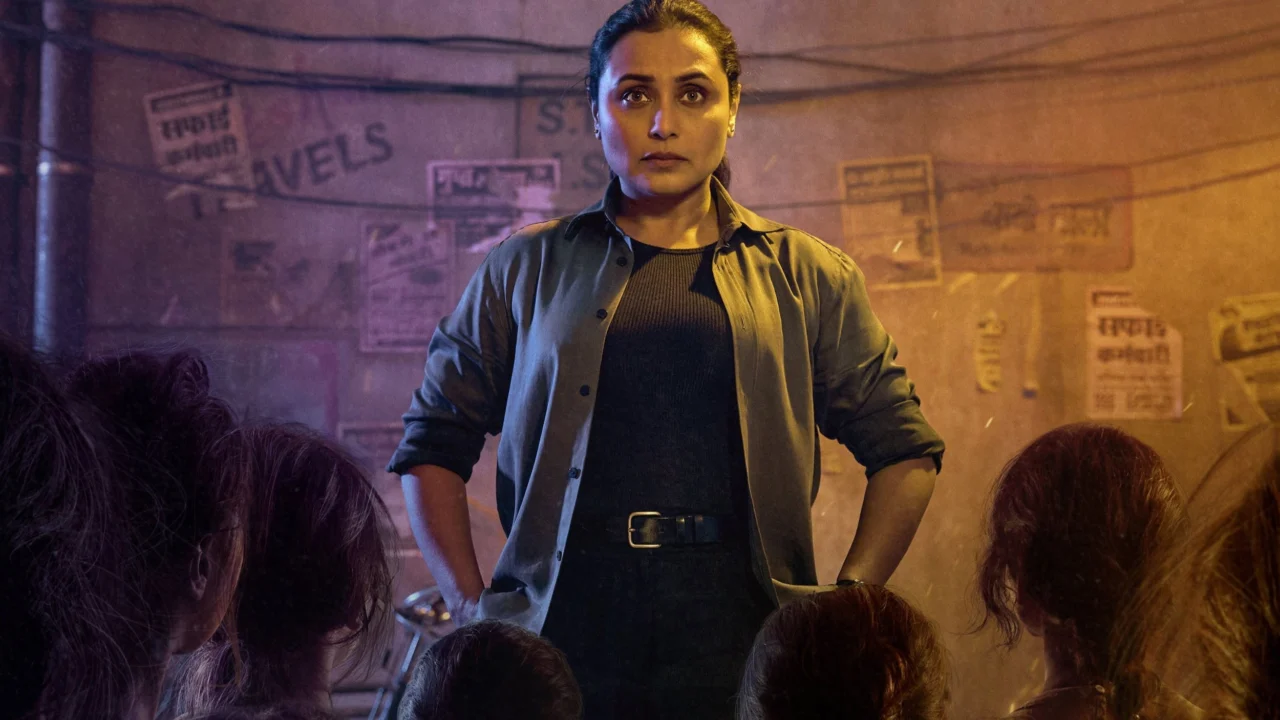
Rani doesn’t just play a cop – she embodies someone who’s seen too much darkness. Her exhaustion feels authentic. Watch her face during interrogation scenes. There’s anger there, but also weariness that no amount of action can mask. The physical stuff is convincing, but her best moments come when she’s processing the horror of what she’s uncovered.
Mallika Prasad creates a villain you can’t dismiss easily. Amma isn’t theatrical or over-the-top. She runs her operation like a business, understanding exactly which levers to pull in a corrupt system. That calculated approach makes her genuinely unsettling. Janki Bodiwala gets limited screen time initially but makes it count when her character’s true role emerges later.
The Highs Keep You Hooked
Abhiraj’s direction maintains momentum even when the runtime stretches. He knows when to let scenes breathe and when to punch the accelerator. The opening sequence in Sundarbans establishes tone perfectly – this isn’t a polished, sanitized world. The background score works overtime to keep tension simmering.
What I really valued was the social commentary woven through. The film doesn’t stop to lecture, but the message comes through clearly. Watch how officials react differently based on who’s missing. That contrast speaks volumes about our priorities as a society. The script trusts viewers to connect the dots themselves.
The action choreography deserves credit for staying grounded. No gravity-defying stunts or Bollywood physics. Just brutal, close-quarters combat that looks like it hurts. The cinematography captures both the grimy underbelly and official corridors with equal attention to detail.
Where Things Get Shaky
My main gripe is how the second half overcomplicates things. New revelations drop constantly, but after the third or fourth twist, you start predicting them. Less would’ve been more here. The writers seemed worried we’d get bored, so they kept adding layers that ultimately flatten the impact.
Logic takes some hits too. Shivani gets injured but seems to forget about it minutes later. Characters make decisions that feel plot-driven rather than natural. These aren’t dealbreakers, but they do pull you out of the story momentarily. Some dialogue gets heavy-handed when subtlety would’ve worked better.
The musical elements feel half-baked. The franchise had a powerful anthem previously, but this installment’s attempts don’t match that energy. Feels like a missed opportunity to give fans something memorable.
How It’s Being Received
Critics have landed in mostly positive territory. NDTV’s review gave it 3.5 stars, highlighting Rani’s commanding presence. They called it one of her strongest performances across three decades. Times of India matched that rating, acknowledging flaws while praising the central performance that holds everything together.
India Today went with 3 stars. Their take appreciated the technical execution and cast work but felt the raw energy of the original film is missing here. Bollywood Hungama rated it 3.5, focusing on the intense storytelling and how it honors the franchise’s spirit.
Not everyone bought in though. The Indian Express gave just 2 stars, pointing to excessive plotting and predictable beats. The Hollywood Reporter India found it workmanlike but uninspired. Audience scores tell a different story – IMDb users rate it 8.7, suggesting mainstream viewers are connecting with it despite critical reservations.
Social media reactions lean positive. People are praising the lead performance and the film’s willingness to tackle difficult subjects. Some viewers noted it treads familiar ground without much innovation, following beats we’ve seen in earlier installments.
Bottom Line
Mardaani 3 succeeds primarily on Rani Mukerji’s shoulders. She gives a performance that feels earned, not manufactured. The film wrestles with important questions about whose suffering gets attention and whose gets ignored. That thematic weight gives it substance beyond the action sequences.
The execution isn’t flawless. Predictability creeps in during the latter half, and some plot mechanics creak under scrutiny. But the core remains solid – a gripping story anchored by committed performances and direction that understands the material’s gravity.
For franchise fans, this delivers the intensity you expect while pushing into darker emotional territory. If you value socially conscious thrillers over escapist action, this might land better than typical commercial fare.
Rating: 3.5/5